Epic Truck Jump Brakes World Record
A giant truck jumps over a speeding Formula 1 car to set a new world record!
Fuel Tips – How To Cut Your Gas Bill Instantly
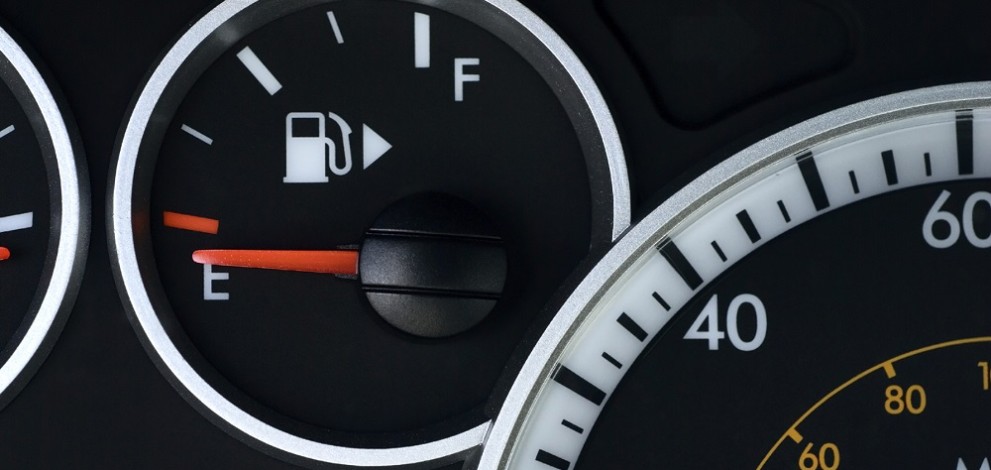
Your car is very expensive. And I don’t just mean the sticker price.
Financing, insurance, maintenance, parking and even running that red light last Wednesday all drive up the cost of owning your car.
But before considering anything drastic.. like taking the bus.. consider improving your fuel economy!
You can buy a diesel, a hybrid, or even trade down to a smaller vehicle to save money at the pump. But don’t sign that new car lease just yet!
10 SECONDS OF IDLING SENDS MONEY DOWN THE DRAIN
 Think of how often you sit in your car waiting. And we both know you keep the engine running to power your radio.
If you want to improve your car’s MPG, you need to avoid this. If you’re idling for more than 10 seconds – cut your engine! It’s more efficient to turn off and restart your engine than to keep it running.
When your engine is turned off, it’s not burning fuel. And every little bit helps.
So if you want to listen to the radio, click over to accessory mode. If you’re stuck in a long line at the drive-through, turn off your engine. And if it’s cold out, warm your engine for no more than 30 seconds.
Thinking of buying a new car? Consider vehicles with built-in start/stop systems. They automatically kill your engine when you’re halted and restart it when you begin to move. This technology will give you massive efficiency gains. Especially if you live in the city or drive in heavy traffic.
BUY GAS ON COLD WEDNESDAYS
Think of how often you sit in your car waiting. And we both know you keep the engine running to power your radio.
If you want to improve your car’s MPG, you need to avoid this. If you’re idling for more than 10 seconds – cut your engine! It’s more efficient to turn off and restart your engine than to keep it running.
When your engine is turned off, it’s not burning fuel. And every little bit helps.
So if you want to listen to the radio, click over to accessory mode. If you’re stuck in a long line at the drive-through, turn off your engine. And if it’s cold out, warm your engine for no more than 30 seconds.
Thinking of buying a new car? Consider vehicles with built-in start/stop systems. They automatically kill your engine when you’re halted and restart it when you begin to move. This technology will give you massive efficiency gains. Especially if you live in the city or drive in heavy traffic.
BUY GAS ON COLD WEDNESDAYS
 When your body is running low on fuel, what’s the first thing you do? You look for tasty food.
It’s the same with your car.
Running low on fuel puts unnecessary stress on your fuel pump. So your tank should always be at least ¼ full for optimal efficiency. But when you’re at the station, don’t top her off! Fill up halfway. Every 40 liters of gas adds 60 lbs. of weight and decreases your economy.
To continue the analogy form before.. when you’ve had too much to eat, your body wants to take a nap.
And you don’t want your car to nap, do you?
You also need to fill up your car with the instructed grade of fuel. If your car needs regular gas, buying premium won’t come with its usual advantages. It will just cost more. And if your car needs a 93 octane level, filling her up with anything less may cause internal engine damage.
That being said, no two fuels are the same. The discount brand will save you a few bucks, but it probably contains more ethanol. Ethanol burns at a faster rate. And you’ll have to make more trips to the gas station.
To find out what’s best for your car, compare your mileage with different fuels.
When your body is running low on fuel, what’s the first thing you do? You look for tasty food.
It’s the same with your car.
Running low on fuel puts unnecessary stress on your fuel pump. So your tank should always be at least ¼ full for optimal efficiency. But when you’re at the station, don’t top her off! Fill up halfway. Every 40 liters of gas adds 60 lbs. of weight and decreases your economy.
To continue the analogy form before.. when you’ve had too much to eat, your body wants to take a nap.
And you don’t want your car to nap, do you?
You also need to fill up your car with the instructed grade of fuel. If your car needs regular gas, buying premium won’t come with its usual advantages. It will just cost more. And if your car needs a 93 octane level, filling her up with anything less may cause internal engine damage.
That being said, no two fuels are the same. The discount brand will save you a few bucks, but it probably contains more ethanol. Ethanol burns at a faster rate. And you’ll have to make more trips to the gas station.
To find out what’s best for your car, compare your mileage with different fuels.
 Buy gas on Wednesdays. Statistically, that’s when gas is the cheapest. It won’t be true every week, but it will save you money in the long run.
Gas prices also jump before the holidays, so think ahead and fill up before the rush.
It’s smart to buy gas during the coolest time of day. That’s when gasoline has the highest density. This means you will fill up your tank with the highest concentration of fuel per liter.
And please make sure your gas cap is screwed on tight! Improperly sealed caps are the cause of nearly 550 million liters of fuel to vaporize every year in the U.S. alone!
YOUR TRUNK MAKES AN EXPENSIVE STORAGE UNIT
Buy gas on Wednesdays. Statistically, that’s when gas is the cheapest. It won’t be true every week, but it will save you money in the long run.
Gas prices also jump before the holidays, so think ahead and fill up before the rush.
It’s smart to buy gas during the coolest time of day. That’s when gasoline has the highest density. This means you will fill up your tank with the highest concentration of fuel per liter.
And please make sure your gas cap is screwed on tight! Improperly sealed caps are the cause of nearly 550 million liters of fuel to vaporize every year in the U.S. alone!
YOUR TRUNK MAKES AN EXPENSIVE STORAGE UNIT
 Excess weight kills fuel efficiency. Especially with stop-and-go driving.
So clean out your trunk, hatch and truck bed from stuff you don’t really need. And honestly, you don’t need your fishing and camping gear with you in the car on your way to work tomorrow.
Using your trunk as storage space actually costs you money. The lighter your car is, the more economical it is. Extra weight is one of the biggest causes for loss of kinetic energy and an extra 100 lbs. will increase your car’s fuel consumption by up to 2%.
YOUR CAR’S SERVICE LIGHT IS ILLUMINATING
Excess weight kills fuel efficiency. Especially with stop-and-go driving.
So clean out your trunk, hatch and truck bed from stuff you don’t really need. And honestly, you don’t need your fishing and camping gear with you in the car on your way to work tomorrow.
Using your trunk as storage space actually costs you money. The lighter your car is, the more economical it is. Extra weight is one of the biggest causes for loss of kinetic energy and an extra 100 lbs. will increase your car’s fuel consumption by up to 2%.
YOUR CAR’S SERVICE LIGHT IS ILLUMINATING
 Is your air filter clean?
If it’s dirty, it’s restricting your engine from breathing. That leaves you with crappy performance and bad fuel economy.
Imagine if you had to run a marathon while breathing through a small straw. That’s how your engine feels while running with an old or damaged air filter. So if you’re in doubt, you should replace it. It’s a cheap component and you can put it in yourself. Your engine and your wallet will thank you for it.
Tune up your engine. This will maximize power and will noticeably improve your fuel efficiency. And find a gear ratio appropriate for your engine, transmission, and driving conditions.
You need a higher ratio if most of your driving is on the highway and you don’t carry heavy loads. But be careful. A smaller engine with a too high gear ratio will work too hard and may become damaged.
Will tuning your car void your manufacturer warranty? The answer is no. But you need to be smart.
Is your air filter clean?
If it’s dirty, it’s restricting your engine from breathing. That leaves you with crappy performance and bad fuel economy.
Imagine if you had to run a marathon while breathing through a small straw. That’s how your engine feels while running with an old or damaged air filter. So if you’re in doubt, you should replace it. It’s a cheap component and you can put it in yourself. Your engine and your wallet will thank you for it.
Tune up your engine. This will maximize power and will noticeably improve your fuel efficiency. And find a gear ratio appropriate for your engine, transmission, and driving conditions.
You need a higher ratio if most of your driving is on the highway and you don’t carry heavy loads. But be careful. A smaller engine with a too high gear ratio will work too hard and may become damaged.
Will tuning your car void your manufacturer warranty? The answer is no. But you need to be smart.
 Check your mass air flow sensor, oxygen sensor, and spark plugs, too.
Your mass air flow sensor measures the air flow entering your engine. It relays the information to your engine computer. The information is needed to carry out proper adjustments to your car’s fuel injection, ignition system and transmission shifting. So if the mass airflow sensor is dirty, it will send inaccurate data and adversely affect your fuel economy.
In the same way, your oxygen sensor measures the exhaust flow before and after your catalytic converter. The sensor sends the data to your engine computer, and if it’s incorrect you’ll end up with a fuel mixture which is too rich.
A damaged oxygen sensor can decrease your fuel efficiency by 20% or more!
As a rule of thumb, you need to replace the oxygen sensor on cars with more than 160,000 km.
Your spark plugs are what ignite the air/fuel mixture in your engine’s combustion chamber. Replacing old spark plugs will ensure your engine is running cleaner and is more efficient!
And when’s the last time you changed your oil?
Fresh oil is critical for the efficient operation of your car’s engine. If you wait too long to change it, it will thicken and become hard to pump. This will tamper with your fuel efficiency.
When you’re changing your oil, add a synthetic oil additive to increase mileage. Using synthetic oil should save you up to 5% on your next gas bill. But if you can’t use it, go with the lightest possible option (5W-30 instead of 15W-50).
UNDER-INFLATED TIRES ARE BAD NEWS
Check your mass air flow sensor, oxygen sensor, and spark plugs, too.
Your mass air flow sensor measures the air flow entering your engine. It relays the information to your engine computer. The information is needed to carry out proper adjustments to your car’s fuel injection, ignition system and transmission shifting. So if the mass airflow sensor is dirty, it will send inaccurate data and adversely affect your fuel economy.
In the same way, your oxygen sensor measures the exhaust flow before and after your catalytic converter. The sensor sends the data to your engine computer, and if it’s incorrect you’ll end up with a fuel mixture which is too rich.
A damaged oxygen sensor can decrease your fuel efficiency by 20% or more!
As a rule of thumb, you need to replace the oxygen sensor on cars with more than 160,000 km.
Your spark plugs are what ignite the air/fuel mixture in your engine’s combustion chamber. Replacing old spark plugs will ensure your engine is running cleaner and is more efficient!
And when’s the last time you changed your oil?
Fresh oil is critical for the efficient operation of your car’s engine. If you wait too long to change it, it will thicken and become hard to pump. This will tamper with your fuel efficiency.
When you’re changing your oil, add a synthetic oil additive to increase mileage. Using synthetic oil should save you up to 5% on your next gas bill. But if you can’t use it, go with the lightest possible option (5W-30 instead of 15W-50).
UNDER-INFLATED TIRES ARE BAD NEWS
 Some drivers spend years without checking tire pressure. Don’t be one of them for obvious reasons.
If the pressure is too low, your tires are facing extra resistance on the road. And this decreases fuel economy. Tires with the right pressure will improve your fuel economy by up to 3%!
Keep this in mind.. your tires will lose 1 PSI every month. And if it’s cold out, their pressure will decrease even more because of the thermal contraction of the air.
It’s a good idea to check your tire pressure at least once a month. But why not make it a habit, and check and adjust every time you fill up your car? Most gas stations have automatic air compressors.
To figure out the optimal inflation pressure, check the placard usually mounted on the sidewall of your driver’s door. Inflate to that number and not the maximum stamped on your tire. Also, don’t go by your car’s manual unless you have stock tires installed.
Keep in mind that the recommended pressures are given for cold tires. You should add another 3 PSI if your tires are older.
If you’re buying new tires, choose narrower ones for better fuel economy. They have a smaller frontal area and will reduce aerodynamic drag. Low-rolling-resistance compound tires will also improve your fuel economy by a few percent.
GOOD DRIVING HABITS WILL TAKE YOU A LONG WAY
Some drivers spend years without checking tire pressure. Don’t be one of them for obvious reasons.
If the pressure is too low, your tires are facing extra resistance on the road. And this decreases fuel economy. Tires with the right pressure will improve your fuel economy by up to 3%!
Keep this in mind.. your tires will lose 1 PSI every month. And if it’s cold out, their pressure will decrease even more because of the thermal contraction of the air.
It’s a good idea to check your tire pressure at least once a month. But why not make it a habit, and check and adjust every time you fill up your car? Most gas stations have automatic air compressors.
To figure out the optimal inflation pressure, check the placard usually mounted on the sidewall of your driver’s door. Inflate to that number and not the maximum stamped on your tire. Also, don’t go by your car’s manual unless you have stock tires installed.
Keep in mind that the recommended pressures are given for cold tires. You should add another 3 PSI if your tires are older.
If you’re buying new tires, choose narrower ones for better fuel economy. They have a smaller frontal area and will reduce aerodynamic drag. Low-rolling-resistance compound tires will also improve your fuel economy by a few percent.
GOOD DRIVING HABITS WILL TAKE YOU A LONG WAY
 So, your trunk is empty and your car is in mint condition. You’re on the road and making real gains in fuel economy.
But why the rush?
To really win at this game you have to slightly alter your driving habits.
Your car’s fuel mileage plummets off a cliff when you increase your speed past 80 km/h. The faster you go, the harder your engine has to work to push through the wind.
Slow down, keep your foot off the gas and turn on your cruise control. This will increase your fuel efficiency by moderating throttle inputs and give you a more relaxed drive.
For maximum efficiency, figure out your car’s “sweet speed”. It’s your car’s minimum speed at its highest gear. For example, Jeep Cherokees are best at 89 km/h, and Toyota 4Runners are best at 80 km/h. Once you know it, just pick your route accordingly.
So, your trunk is empty and your car is in mint condition. You’re on the road and making real gains in fuel economy.
But why the rush?
To really win at this game you have to slightly alter your driving habits.
Your car’s fuel mileage plummets off a cliff when you increase your speed past 80 km/h. The faster you go, the harder your engine has to work to push through the wind.
Slow down, keep your foot off the gas and turn on your cruise control. This will increase your fuel efficiency by moderating throttle inputs and give you a more relaxed drive.
For maximum efficiency, figure out your car’s “sweet speed”. It’s your car’s minimum speed at its highest gear. For example, Jeep Cherokees are best at 89 km/h, and Toyota 4Runners are best at 80 km/h. Once you know it, just pick your route accordingly.
 And while you’re at it – turn of the A/C and turn down your windows. Unless you’re driving on the highway! Fuel efficiency is higher when you have your A/C on and your windows rolled up with highway speeds.
Monitor your car’s RPMs (revolutions per minute). If your engine is running above 3000 you might be accelerating at an unnecessarily low gear. So step off the gas, and let your engine build up a higher speed at a lower RPM.
Low RPMs directly translate into higher fuel economy.
Accelerate smoothly and with moderate throttle. By anticipating the actions of other drivers you can keep your momentum and avoid braking. And you should avoid braking whenever possible.
Drive with a constant speed. If you’re driving on a city street, simply coast slowly if you see a red light or traffic ahead.
And while you’re at it – turn of the A/C and turn down your windows. Unless you’re driving on the highway! Fuel efficiency is higher when you have your A/C on and your windows rolled up with highway speeds.
Monitor your car’s RPMs (revolutions per minute). If your engine is running above 3000 you might be accelerating at an unnecessarily low gear. So step off the gas, and let your engine build up a higher speed at a lower RPM.
Low RPMs directly translate into higher fuel economy.
Accelerate smoothly and with moderate throttle. By anticipating the actions of other drivers you can keep your momentum and avoid braking. And you should avoid braking whenever possible.
Drive with a constant speed. If you’re driving on a city street, simply coast slowly if you see a red light or traffic ahead.
 Is all of this practical? Let us know in the comments below!
But even if you don’t choose to use all of the techniques doesn’t mean you shouldn’t use any.
Simply turning off your car at red lights can save you 19% on your next trip to the gas station.
Want to hear more? Sign up for our newsletter to receive more sweet tips and industry news!
Is all of this practical? Let us know in the comments below!
But even if you don’t choose to use all of the techniques doesn’t mean you shouldn’t use any.
Simply turning off your car at red lights can save you 19% on your next trip to the gas station.
Want to hear more? Sign up for our newsletter to receive more sweet tips and industry news!
Think of how often you sit in your car waiting. And we both know you keep the engine running to power your radio.
If you want to improve your car’s MPG, you need to avoid this. If you’re idling for more than 10 seconds – cut your engine! It’s more efficient to turn off and restart your engine than to keep it running.
When your engine is turned off, it’s not burning fuel. And every little bit helps.
So if you want to listen to the radio, click over to accessory mode. If you’re stuck in a long line at the drive-through, turn off your engine. And if it’s cold out, warm your engine for no more than 30 seconds.
Thinking of buying a new car? Consider vehicles with built-in start/stop systems. They automatically kill your engine when you’re halted and restart it when you begin to move. This technology will give you massive efficiency gains. Especially if you live in the city or drive in heavy traffic.
BUY GAS ON COLD WEDNESDAYS
When your body is running low on fuel, what’s the first thing you do? You look for tasty food.
It’s the same with your car.
Running low on fuel puts unnecessary stress on your fuel pump. So your tank should always be at least ¼ full for optimal efficiency. But when you’re at the station, don’t top her off! Fill up halfway. Every 40 liters of gas adds 60 lbs. of weight and decreases your economy.
To continue the analogy form before.. when you’ve had too much to eat, your body wants to take a nap.
And you don’t want your car to nap, do you?
You also need to fill up your car with the instructed grade of fuel. If your car needs regular gas, buying premium won’t come with its usual advantages. It will just cost more. And if your car needs a 93 octane level, filling her up with anything less may cause internal engine damage.
That being said, no two fuels are the same. The discount brand will save you a few bucks, but it probably contains more ethanol. Ethanol burns at a faster rate. And you’ll have to make more trips to the gas station.
To find out what’s best for your car, compare your mileage with different fuels.
Buy gas on Wednesdays. Statistically, that’s when gas is the cheapest. It won’t be true every week, but it will save you money in the long run.
Gas prices also jump before the holidays, so think ahead and fill up before the rush.
It’s smart to buy gas during the coolest time of day. That’s when gasoline has the highest density. This means you will fill up your tank with the highest concentration of fuel per liter.
And please make sure your gas cap is screwed on tight! Improperly sealed caps are the cause of nearly 550 million liters of fuel to vaporize every year in the U.S. alone!
YOUR TRUNK MAKES AN EXPENSIVE STORAGE UNIT
Excess weight kills fuel efficiency. Especially with stop-and-go driving.
So clean out your trunk, hatch and truck bed from stuff you don’t really need. And honestly, you don’t need your fishing and camping gear with you in the car on your way to work tomorrow.
Using your trunk as storage space actually costs you money. The lighter your car is, the more economical it is. Extra weight is one of the biggest causes for loss of kinetic energy and an extra 100 lbs. will increase your car’s fuel consumption by up to 2%.
YOUR CAR’S SERVICE LIGHT IS ILLUMINATING
Is your air filter clean?
If it’s dirty, it’s restricting your engine from breathing. That leaves you with crappy performance and bad fuel economy.
Imagine if you had to run a marathon while breathing through a small straw. That’s how your engine feels while running with an old or damaged air filter. So if you’re in doubt, you should replace it. It’s a cheap component and you can put it in yourself. Your engine and your wallet will thank you for it.
Tune up your engine. This will maximize power and will noticeably improve your fuel efficiency. And find a gear ratio appropriate for your engine, transmission, and driving conditions.
You need a higher ratio if most of your driving is on the highway and you don’t carry heavy loads. But be careful. A smaller engine with a too high gear ratio will work too hard and may become damaged.
Will tuning your car void your manufacturer warranty? The answer is no. But you need to be smart.
Check your mass air flow sensor, oxygen sensor, and spark plugs, too.
Your mass air flow sensor measures the air flow entering your engine. It relays the information to your engine computer. The information is needed to carry out proper adjustments to your car’s fuel injection, ignition system and transmission shifting. So if the mass airflow sensor is dirty, it will send inaccurate data and adversely affect your fuel economy.
In the same way, your oxygen sensor measures the exhaust flow before and after your catalytic converter. The sensor sends the data to your engine computer, and if it’s incorrect you’ll end up with a fuel mixture which is too rich.
A damaged oxygen sensor can decrease your fuel efficiency by 20% or more!
As a rule of thumb, you need to replace the oxygen sensor on cars with more than 160,000 km.
Your spark plugs are what ignite the air/fuel mixture in your engine’s combustion chamber. Replacing old spark plugs will ensure your engine is running cleaner and is more efficient!
And when’s the last time you changed your oil?
Fresh oil is critical for the efficient operation of your car’s engine. If you wait too long to change it, it will thicken and become hard to pump. This will tamper with your fuel efficiency.
When you’re changing your oil, add a synthetic oil additive to increase mileage. Using synthetic oil should save you up to 5% on your next gas bill. But if you can’t use it, go with the lightest possible option (5W-30 instead of 15W-50).
UNDER-INFLATED TIRES ARE BAD NEWS
Some drivers spend years without checking tire pressure. Don’t be one of them for obvious reasons.
If the pressure is too low, your tires are facing extra resistance on the road. And this decreases fuel economy. Tires with the right pressure will improve your fuel economy by up to 3%!
Keep this in mind.. your tires will lose 1 PSI every month. And if it’s cold out, their pressure will decrease even more because of the thermal contraction of the air.
It’s a good idea to check your tire pressure at least once a month. But why not make it a habit, and check and adjust every time you fill up your car? Most gas stations have automatic air compressors.
To figure out the optimal inflation pressure, check the placard usually mounted on the sidewall of your driver’s door. Inflate to that number and not the maximum stamped on your tire. Also, don’t go by your car’s manual unless you have stock tires installed.
Keep in mind that the recommended pressures are given for cold tires. You should add another 3 PSI if your tires are older.
If you’re buying new tires, choose narrower ones for better fuel economy. They have a smaller frontal area and will reduce aerodynamic drag. Low-rolling-resistance compound tires will also improve your fuel economy by a few percent.
GOOD DRIVING HABITS WILL TAKE YOU A LONG WAY
So, your trunk is empty and your car is in mint condition. You’re on the road and making real gains in fuel economy.
But why the rush?
To really win at this game you have to slightly alter your driving habits.
Your car’s fuel mileage plummets off a cliff when you increase your speed past 80 km/h. The faster you go, the harder your engine has to work to push through the wind.
Slow down, keep your foot off the gas and turn on your cruise control. This will increase your fuel efficiency by moderating throttle inputs and give you a more relaxed drive.
For maximum efficiency, figure out your car’s “sweet speed”. It’s your car’s minimum speed at its highest gear. For example, Jeep Cherokees are best at 89 km/h, and Toyota 4Runners are best at 80 km/h. Once you know it, just pick your route accordingly.
And while you’re at it – turn of the A/C and turn down your windows. Unless you’re driving on the highway! Fuel efficiency is higher when you have your A/C on and your windows rolled up with highway speeds.
Monitor your car’s RPMs (revolutions per minute). If your engine is running above 3000 you might be accelerating at an unnecessarily low gear. So step off the gas, and let your engine build up a higher speed at a lower RPM.
Low RPMs directly translate into higher fuel economy.
Accelerate smoothly and with moderate throttle. By anticipating the actions of other drivers you can keep your momentum and avoid braking. And you should avoid braking whenever possible.
Drive with a constant speed. If you’re driving on a city street, simply coast slowly if you see a red light or traffic ahead.
Is all of this practical? Let us know in the comments below!
But even if you don’t choose to use all of the techniques doesn’t mean you shouldn’t use any.
Simply turning off your car at red lights can save you 19% on your next trip to the gas station.
Want to hear more? Sign up for our newsletter to receive more sweet tips and industry news!
Taxes, Duties & Brokerage Fees: What are U.S. sites hiding?

You always appreciate a great deal, right? And often enough the great deal is available online, cross-border.
But, remember… there are 2 sure ways to get a nasty surprise when shopping online. The first is to spend your money on a shady website, and the second is to get your bill spiked with taxes, duties and brokerage fees.
You probably already know how to avoid fraud when buying auto parts online… But what about hidden fees?
The majority of American sites don’t discuss the details of these elusive charges because, honestly, they don’t need to. And it’s bad for business.
Duties, taxes, and brokerage fees can come out to an additional 100%+ of the original charge. Ouch!
So if you want to avoid a shopping horror story, ask yourself… What is the real cost of checking out your cart cross-border?
 …Plus Shipping & Handling
If you live north of the 49th parallel but want to shop in the States, you can forget about free shipping.
Your shipping chargers will be based on the number of items you buy, their weight and dimensions, as well as the shipping distance and shipping method. Yes, it’s kind of complicated. So read the fine print carefully.
Most websites offer a shipping estimate before check-out. But it’s only that – an estimate. You need to factor in the currency exchange rate for the price of your merchandise, as well as for the shipping charges.
Don’t gloat if the exchange rate is in your favour. Credit card companies will use an inflated rate instead of the market rate. And they will charge an additional fee for the automatic currency conversion made during payment.
Keep this in mind: opting for the cheapest delivery method to save a few bucks may cost you.
UPS and FedEx standard shipping will be subject to the most brokerage fees once your package gets to the border. FedEx Priority or UPS Expedited might make more sense.
…Plus Shipping & Handling
If you live north of the 49th parallel but want to shop in the States, you can forget about free shipping.
Your shipping chargers will be based on the number of items you buy, their weight and dimensions, as well as the shipping distance and shipping method. Yes, it’s kind of complicated. So read the fine print carefully.
Most websites offer a shipping estimate before check-out. But it’s only that – an estimate. You need to factor in the currency exchange rate for the price of your merchandise, as well as for the shipping charges.
Don’t gloat if the exchange rate is in your favour. Credit card companies will use an inflated rate instead of the market rate. And they will charge an additional fee for the automatic currency conversion made during payment.
Keep this in mind: opting for the cheapest delivery method to save a few bucks may cost you.
UPS and FedEx standard shipping will be subject to the most brokerage fees once your package gets to the border. FedEx Priority or UPS Expedited might make more sense.
 Brokerage Fees
Once your package gets to the border, special employees hired by your courier company will fill out all the paperwork required to get your packaged processed by Canada Customs. The hefty fees for this service, the brokerage fees, will be passed onto you.
A brokerage fee can really catch you by surprise because it’s not administered by the Canadian government. It can run as high as $50 dollars on a $20 item. For larger times it can often go up to $500 or more. Even products that are not subject to any duty or tax can be quoted at $50 or higher.
Brokerage fees vary. So if you’re set on shopping in the States read your courier’s service guide or call their local number for more information on their policies.
Brokerage Fees
Once your package gets to the border, special employees hired by your courier company will fill out all the paperwork required to get your packaged processed by Canada Customs. The hefty fees for this service, the brokerage fees, will be passed onto you.
A brokerage fee can really catch you by surprise because it’s not administered by the Canadian government. It can run as high as $50 dollars on a $20 item. For larger times it can often go up to $500 or more. Even products that are not subject to any duty or tax can be quoted at $50 or higher.
Brokerage fees vary. So if you’re set on shopping in the States read your courier’s service guide or call their local number for more information on their policies.
 Customs & Duties
The products you’re importing may be subject to customs and duties. The amount of duty depends on the type of item, its value, and its country of origin. Duties are hard to estimate accurately. But if you want to have a go, you can reference the cryptic Canadian Customs Tariff.
Or you can contact the Canadian Border Information Service during business hours and speak to an officer. Be ready to provide exact information on your purchase, including country of origin, manufacturer, composition, intended use, and pricing and payment information.
From my own research, the applicable duty on imported automotive parts is around 14%.
But here is something to smile about:
NAFTA and other trade agreements decree that products manufactured in the U.S., Canada, Mexico, or Chile are subject to lower duty or no duty.
To qualify, your imported goods must be for personal use and must be marked as made in a NAFTA country. If the value of your package is over $1,000 you may be asked to provide a formal statement of NAFTA compliance.
Canada Customs agents may decide to be particular. It’s a good idea to get a written document confirming your product’s country of origin. The online store should be willing to provide this for you.
Customs & Duties
The products you’re importing may be subject to customs and duties. The amount of duty depends on the type of item, its value, and its country of origin. Duties are hard to estimate accurately. But if you want to have a go, you can reference the cryptic Canadian Customs Tariff.
Or you can contact the Canadian Border Information Service during business hours and speak to an officer. Be ready to provide exact information on your purchase, including country of origin, manufacturer, composition, intended use, and pricing and payment information.
From my own research, the applicable duty on imported automotive parts is around 14%.
But here is something to smile about:
NAFTA and other trade agreements decree that products manufactured in the U.S., Canada, Mexico, or Chile are subject to lower duty or no duty.
To qualify, your imported goods must be for personal use and must be marked as made in a NAFTA country. If the value of your package is over $1,000 you may be asked to provide a formal statement of NAFTA compliance.
Canada Customs agents may decide to be particular. It’s a good idea to get a written document confirming your product’s country of origin. The online store should be willing to provide this for you.
 Canadian Taxes on Imported Goods
Tax is inevitable.
You cannot evade Canadian taxes by shopping online in the States. Every purchase will include additional tax charges. Some sites will charge these taxes directly, but it’s definitely not a set standard. Most times, Canadian taxes will be charged by your courier, once your package is delivered to you.
And they will be calculated on the value of your purchased goods including the applicable customs and duties!
Don’t be tempted to evade your taxes! Some merchants will offer to mark down the dollar value of your purchase, or label it as a gift. This may work in saving you some money, but it’s illegal and considered fraud.
And if fraud doesn’t scare you, consider that your courier will insure your parcel up to its declared dollar value. If your packaged is damaged or lost, you will end up holding the short end of the stick.
Canadian Taxes on Imported Goods
Tax is inevitable.
You cannot evade Canadian taxes by shopping online in the States. Every purchase will include additional tax charges. Some sites will charge these taxes directly, but it’s definitely not a set standard. Most times, Canadian taxes will be charged by your courier, once your package is delivered to you.
And they will be calculated on the value of your purchased goods including the applicable customs and duties!
Don’t be tempted to evade your taxes! Some merchants will offer to mark down the dollar value of your purchase, or label it as a gift. This may work in saving you some money, but it’s illegal and considered fraud.
And if fraud doesn’t scare you, consider that your courier will insure your parcel up to its declared dollar value. If your packaged is damaged or lost, you will end up holding the short end of the stick.
 So, what’s my official advice?
Save yourself a headache. Shop locally and support your own economy. It’s actually cheaper.
What do you think? Let me know in the comments below!
So, what’s my official advice?
Save yourself a headache. Shop locally and support your own economy. It’s actually cheaper.
What do you think? Let me know in the comments below!
…Plus Shipping & Handling
If you live north of the 49th parallel but want to shop in the States, you can forget about free shipping.
Your shipping chargers will be based on the number of items you buy, their weight and dimensions, as well as the shipping distance and shipping method. Yes, it’s kind of complicated. So read the fine print carefully.
Most websites offer a shipping estimate before check-out. But it’s only that – an estimate. You need to factor in the currency exchange rate for the price of your merchandise, as well as for the shipping charges.
Don’t gloat if the exchange rate is in your favour. Credit card companies will use an inflated rate instead of the market rate. And they will charge an additional fee for the automatic currency conversion made during payment.
Keep this in mind: opting for the cheapest delivery method to save a few bucks may cost you.
UPS and FedEx standard shipping will be subject to the most brokerage fees once your package gets to the border. FedEx Priority or UPS Expedited might make more sense.
Brokerage Fees
Once your package gets to the border, special employees hired by your courier company will fill out all the paperwork required to get your packaged processed by Canada Customs. The hefty fees for this service, the brokerage fees, will be passed onto you.
A brokerage fee can really catch you by surprise because it’s not administered by the Canadian government. It can run as high as $50 dollars on a $20 item. For larger times it can often go up to $500 or more. Even products that are not subject to any duty or tax can be quoted at $50 or higher.
Brokerage fees vary. So if you’re set on shopping in the States read your courier’s service guide or call their local number for more information on their policies.
Customs & Duties
The products you’re importing may be subject to customs and duties. The amount of duty depends on the type of item, its value, and its country of origin. Duties are hard to estimate accurately. But if you want to have a go, you can reference the cryptic Canadian Customs Tariff.
Or you can contact the Canadian Border Information Service during business hours and speak to an officer. Be ready to provide exact information on your purchase, including country of origin, manufacturer, composition, intended use, and pricing and payment information.
From my own research, the applicable duty on imported automotive parts is around 14%.
But here is something to smile about:
NAFTA and other trade agreements decree that products manufactured in the U.S., Canada, Mexico, or Chile are subject to lower duty or no duty.
To qualify, your imported goods must be for personal use and must be marked as made in a NAFTA country. If the value of your package is over $1,000 you may be asked to provide a formal statement of NAFTA compliance.
Canada Customs agents may decide to be particular. It’s a good idea to get a written document confirming your product’s country of origin. The online store should be willing to provide this for you.
Canadian Taxes on Imported Goods
Tax is inevitable.
You cannot evade Canadian taxes by shopping online in the States. Every purchase will include additional tax charges. Some sites will charge these taxes directly, but it’s definitely not a set standard. Most times, Canadian taxes will be charged by your courier, once your package is delivered to you.
And they will be calculated on the value of your purchased goods including the applicable customs and duties!
Don’t be tempted to evade your taxes! Some merchants will offer to mark down the dollar value of your purchase, or label it as a gift. This may work in saving you some money, but it’s illegal and considered fraud.
And if fraud doesn’t scare you, consider that your courier will insure your parcel up to its declared dollar value. If your packaged is damaged or lost, you will end up holding the short end of the stick.
So, what’s my official advice?
Save yourself a headache. Shop locally and support your own economy. It’s actually cheaper.
What do you think? Let me know in the comments below!
Ken Block is WILD in the streets of LA!
Ken Block is spinning all 4 wheels at 845 HP on the only all-wheel-drive performance Mustang ever built!
This really is exciting to watch!
What’s your favorite part?
8 Simple Steps for Maintaining Your Exhaust System
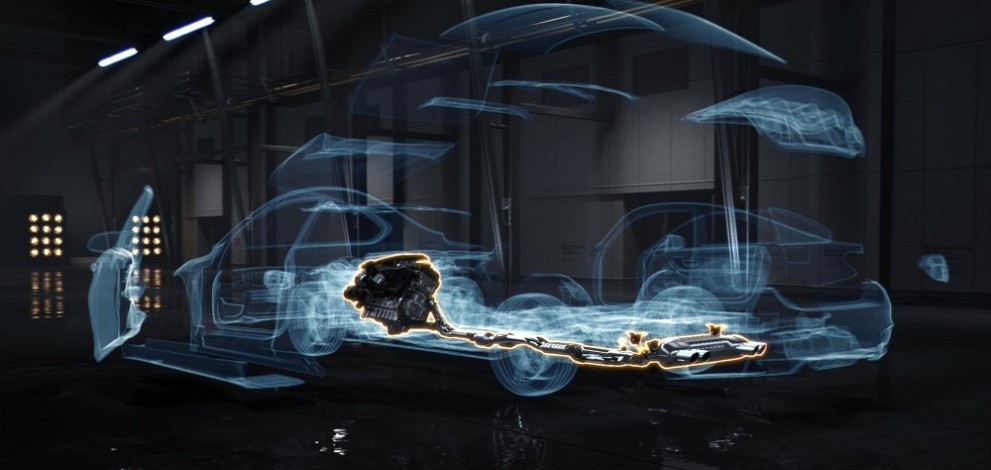
If you dish out the proper TLC, your exhaust system will thank you for it. It will run better and last longer. And it will look great!
Follow my quick checklist to make your exhaust shine like new again!

 Cleaning your exhaust tips is easy and automatically adds style to your vehicle’s rear end!
Take Good Care of Your Muffler
- Wipe off as much as you can of the soot and dirt on the outside of your muffler. You can use a dry rag or towel to do this.
- Add 1 tea spoon of dishwashing soap in 1 liter of warm water. And using the solution, wash the remaining grease and stains on the outside of your muffler. Wait for your muffler to dry.
- Apply metal polish with consistent pressure across your muffler’s dry surface. Buff the area until you get a nice shine!
Don’t Forget to Tip
Cleaning your exhaust tips is easy and automatically adds style to your vehicle’s rear end!
- Wipe down the inside of your tips with a microfiber towel to remove carbon deposits and soot.
- Clean both the inside and outside of your tips with an exhaust cleaner. Make sure you are wearing latex gloves before handling the cleaner.
- Use #0000 steel wool to ensure you get rid of any remaining carbon deposit and hard water spots.
- Gently dry your exhaust tips with a microfiber towel.
- Apply metal polish to bring back their shine.
Time to Upgrade?
Now your system looks like new! But if you want a completely new look or greater power you should think about upgrading! At TDot Performance we carry everything from Magnaflow, Borla, Corsa, Flowmaster and more! |
 |
 |
 |
 |
 |
Have other good advice for maintaining the exhaust system? Let us know in the comments!
The Truth About Winter Tires
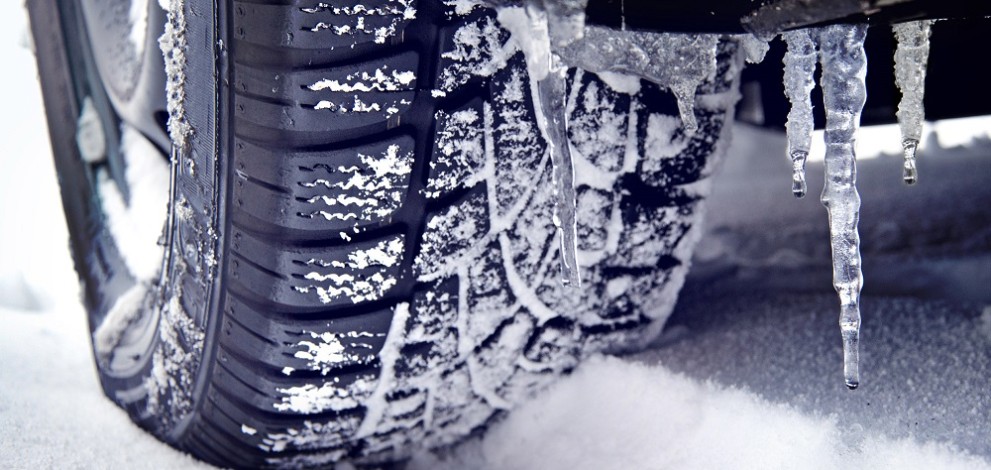
We all have that one friend who tries to convince us that we don’t need winter tires. And some of his arguments are starting to make sense.
So, let’s hear what he has to say.
 And do you really want to sacrifice your safety, and the safety of others, just to save a few bucks?
 So save yourself the risk. Install four winter tires.

 You say you’re a great driver. And maybe it’s true! But what about the other drivers sharing the road with you?
Installing winter tires will improve your control on the road. You’ll be prepared to deal with the unexpected.
Installing winter tires will give you piece of mind, and allow you to be an even better driver.
You say you’re a great driver. And maybe it’s true! But what about the other drivers sharing the road with you?
Installing winter tires will improve your control on the road. You’ll be prepared to deal with the unexpected.
Installing winter tires will give you piece of mind, and allow you to be an even better driver.

“I drive with all-season tires and they are fine in the winter. It’s a cheaper alternative!”I’ve heard that one before. Now let me tell you why it’s not smart. All-season tires are a compromise between a great summer tire and a great winter tire. They are OK. And will never be better. Yes, it’s true – all seasons are suitable for a variety of weather conditions. And their thread design and material will give you extended mileage in the hot summer. Yes, it’s true – they are a cheaper alternative. But in the winter, the tires become noticeably less effective. They get rigid in lower temperatures. They can start to lose their grip at 7° Celsius. This means you will have less traction. Your handling and braking will suffer. On the other hand, winter tires will give you superior snow and ice performance.
And do you really want to sacrifice your safety, and the safety of others, just to save a few bucks?
“You only need to install 2 winter tires. It’s safe and it’s cheaper!”No. Driving your car with two winter tires and two all-season tires can be dangerous. If you only put two winter tires on the front of your front-wheel-drive car you are sacrificing much needed grip in the back. This means you are very likely to spin out when braking or cornering. If you only put two winter tires on the back of your rear-wheel-drive car you are sacrificing your steering ability. The front wheels won’t grip as well and may fail to respond when you turn the wheel.
So save yourself the risk. Install four winter tires.
“I don’t need winter tires because my car has traction control.”Your traction control system will limit your car’s acceleration to keep you from overpowering your tires. But it won’t improve your tires’ traction. The only way to improve traction is by adding grip. You can add grip by installing winter tires.
“I don’t need winter tires because my car has ABS brakes.”ABS brakes will limit your car’s braking to prevent you from locking up your tires. But again, the brakes won’t improve your tires’ traction. Installing winter tires will improve your tires’ grip. This will give you more traction.
“I don’t need winter tires, because I don’t drive when the weather is really bad.”Predicting winter storms is hard work. And weather forecasts are often wrong. Can you really be sure where you will be when a storm hits.. maybe at work.. or at home.. or visiting friends? It’s important to have mobility and be ready to deal with an emergency. And having freedom of movement in the winter is a good enough reason to install winter tires.
“I don’t need winter tires because I’m a great driver”
You say you’re a great driver. And maybe it’s true! But what about the other drivers sharing the road with you?
Installing winter tires will improve your control on the road. You’ll be prepared to deal with the unexpected.
Installing winter tires will give you piece of mind, and allow you to be an even better driver.
“I don’t want to buy winter tires. They’re too expensive.”They are expensive. But they can save you money in the long run! Using winter tires can lower your insurance rates. Using them will actually extend the life of your summer tires. And they will protect your OEM or aftermarket alloy wheels from that winter salt and grime! I know that it’s tempting to save a few bucks now. But you should really cut costs somewhere else. Especially if you live and drive in Canada. So next time you see that friend of ours, do him a favor. Tell him why he needs a set of winter tires.
Acura Integra Successor, 2017 Debut?

The Integra has always been a hit with the aftermarket performance community. It is one of the most tuned cars in history and still boasts of a huge following. Unfortunately for all fans, production halted in 2006.
In recent years, Acura has shifted its attention from sporty cars to family sedans. But that’s about to change.
At the 2014 SEMA show the new TLX on display boasted a number of modifications including a lowered suspension setup, 19-inch wheels and Wilwood brakes on 14-inch rotors. And this tells us Acura is trying to move in a more sport-oriented direction.
 In an interview w ith Car & Driver, Acura chief designer Dave Marek shares the company’s vision for bringing back a tunable, yet affordable sport car.
“A performance brand needs a flagship and it needs an accessible sport car,” says Marek. And the new ILX to debut at the LA Auto Show will attest to that.
“There are lots of resources and activity going into making Acura back into what it was,” he said.
While Marek does not divulge more specifics, we are likely to witness the debut of a sport entry level vehicle in Acura’s lineup. The bad news is we have to wait a few more years. Marek suggests the new model won’t be released before 2017.
In an interview w ith Car & Driver, Acura chief designer Dave Marek shares the company’s vision for bringing back a tunable, yet affordable sport car.
“A performance brand needs a flagship and it needs an accessible sport car,” says Marek. And the new ILX to debut at the LA Auto Show will attest to that.
“There are lots of resources and activity going into making Acura back into what it was,” he said.
While Marek does not divulge more specifics, we are likely to witness the debut of a sport entry level vehicle in Acura’s lineup. The bad news is we have to wait a few more years. Marek suggests the new model won’t be released before 2017.
In an interview w ith Car & Driver, Acura chief designer Dave Marek shares the company’s vision for bringing back a tunable, yet affordable sport car.
“A performance brand needs a flagship and it needs an accessible sport car,” says Marek. And the new ILX to debut at the LA Auto Show will attest to that.
“There are lots of resources and activity going into making Acura back into what it was,” he said.
While Marek does not divulge more specifics, we are likely to witness the debut of a sport entry level vehicle in Acura’s lineup. The bad news is we have to wait a few more years. Marek suggests the new model won’t be released before 2017.
Warranty Battles: OEM vs. Aftermarket

You have big plans for your car. But the last thing you want is for your extracurriculars to void your factory warranty.
So, what will you do to ensure you keep your warranty intact? You will read the fine print, service your car at regular intervals, and maybe skip the performance tuner you’ve been thinking about.
But the question sits with you: should you be avoiding aftermarket parts? Will hacking or modding your car automatically cancel your warranty? The answer is no. But you need to be smart.
Lesson #1: Your warranty administrator is not a benevolent uncle
Your factory warranty is a contract between you and the company that built your car. They promise to pay for any applicable repairs to your car if you promise to maintain it to proper standards. The warranty contract breaks if you drop your end of the deal.
Hey… does “maintain to proper standards” sound vague to you? Well, it is. And I think they did that on purpose. Sounds to me like your warranty administrator wields unlimited power in deciding what is and what isn’t a proper standard.
 This means you’re in the clear, unless your car’s been totaled. Or unless your destiny is to have your warranty voided. In which case there’s little you can do about it. We’ve all seen the Final Destination series.
My dark humour aside, feeling paranoid is not warranted. Aftermarket parts didn’t even make the list!
This means you’re in the clear, unless your car’s been totaled. Or unless your destiny is to have your warranty voided. In which case there’s little you can do about it. We’ve all seen the Final Destination series.
My dark humour aside, feeling paranoid is not warranted. Aftermarket parts didn’t even make the list!
 Lesson #3: Anticipate any warranty bumps coming your way
You’re not out of the woods yet. Your warranty could be partially voided. And I made a list for that too.
Lesson #3: Anticipate any warranty bumps coming your way
You’re not out of the woods yet. Your warranty could be partially voided. And I made a list for that too.
 Lesson #4: Avoid a headache when you can
Are there “safe” car modifications?
It’s impossible guesswork to know which car parts might someday fail. It depends, right? And that makes it difficult to suggest “safe” modifications.
Lesson #4: Avoid a headache when you can
Are there “safe” car modifications?
It’s impossible guesswork to know which car parts might someday fail. It depends, right? And that makes it difficult to suggest “safe” modifications.
 The law in Canada also states that a manufacturer cannot require a consumer to use OEM parts under the threat of voiding warranty. This practice is referred to as “tied selling” and is in direct violation of the Canadian Competition Act due to its anti-competitive nature.
Lesson #6: Face the consequences
In certain cases your warranty will be partially voided. And it won’t be because your warranty administrator has it out for you.
Be aware of the possible consequences before undertaking major mod work on your car.
The law in Canada also states that a manufacturer cannot require a consumer to use OEM parts under the threat of voiding warranty. This practice is referred to as “tied selling” and is in direct violation of the Canadian Competition Act due to its anti-competitive nature.
Lesson #6: Face the consequences
In certain cases your warranty will be partially voided. And it won’t be because your warranty administrator has it out for you.
Be aware of the possible consequences before undertaking major mod work on your car.
 If you are in Canada, you can access the Canadian Automobile Manufacturers Vehicle Arbitration Program. The program offers free arbitration to consumers who are faced with warranty disputes with manufacturers. The CAMVAP has the power to order repairs or even vehicle return in certain cases.
Lesson 8: Share your experience
Have you had warranty disputes in the past?
If you are in Canada, you can access the Canadian Automobile Manufacturers Vehicle Arbitration Program. The program offers free arbitration to consumers who are faced with warranty disputes with manufacturers. The CAMVAP has the power to order repairs or even vehicle return in certain cases.
Lesson 8: Share your experience
Have you had warranty disputes in the past?
…and your warranty administrator is not a benevolent uncle. He actually has an incentive to save a few bucks for his employer.
And that’s not fair, is it?
Lesson #2: Feeling paranoid is not warranted I know you’re passionate about making your great car even better. And you want to do it your own way! Using aftermarket parts! That doesn’t mean you have to wave good-bye to your car’s factory warranty. Yes, the game is fixed. But don’t plug back into the Matrix, yet! I have some good news. It’s close to impossible for car companies to void your entire warranty. They are restricted by a list of rare circumstances.
This means you’re in the clear, unless your car’s been totaled. Or unless your destiny is to have your warranty voided. In which case there’s little you can do about it. We’ve all seen the Final Destination series.
My dark humour aside, feeling paranoid is not warranted. Aftermarket parts didn’t even make the list!
Lesson #3: Anticipate any warranty bumps coming your way
You’re not out of the woods yet. Your warranty could be partially voided. And I made a list for that too.

Lesson #4: Avoid a headache when you can
Are there “safe” car modifications?
It’s impossible guesswork to know which car parts might someday fail. It depends, right? And that makes it difficult to suggest “safe” modifications.
Obvious aesthetic mods should not be a problem.
If you’re going in for a repair – avoid a headache when you can. Some mods can be undone. It’s easier to swap in your factory air filter instead of haggling with your dealership. If that’s not an option, walk in prepared to explain why your installed aftermarket part did NOT cause the problem. There are many shady service departments. So even if you’re doing everything by the book, you could still hit a wall. If that happens, ask to speak to a manager, or consult with a factory representative. Remember your rights! It’s up to you to know the law and stand up. A smart choice is to purchase aftermarket parts from authorized dealers, like TDot Performance. They will provide a manufacturer’s warranty on the products you install. And you won’t be left without any coverage in case of warranty disputes with your dealership. Lesson #5: The burden of proof is on the dealership If a dealership tells you that your warranty is voided because you installed a performance part… the dealership is basically breaking the law.And what does the Magnuson-Moss Warranty Act mean, exactly? It means that aftermarket parts which improve your vehicle’s performance do not necessarily void your warranty. Unless the dealer can prove that the aftermarket part is the direct cause of a failure. If the reason behind a failure is not clear, the dealer may charge you to run diagnostics. If the aftermarket part is still not found to be connected to the problem, the dealer is required to reimburse you that diagnostics fee. The burden of proof is on the dealership and the manufacturer. And that’s something to smile about! They have to prove, not just vocalize, that the aftermarket equipment caused the need for repairs before they can deny warranty coverage. If you’re sulking because you live in Canada, stop. The Consumer Protection Acts in each province are the Canadian equivalent to the Magnuson-Moss Warranty Act.In the United States, the Magnuson-Moss Warranty Act forbids manufacturers from: “… asking consumers to use any specific brand of article or service in order to invoke warranty coverage.”
 The law in Canada also states that a manufacturer cannot require a consumer to use OEM parts under the threat of voiding warranty. This practice is referred to as “tied selling” and is in direct violation of the Canadian Competition Act due to its anti-competitive nature.
Lesson #6: Face the consequences
In certain cases your warranty will be partially voided. And it won’t be because your warranty administrator has it out for you.
Be aware of the possible consequences before undertaking major mod work on your car.
The law in Canada also states that a manufacturer cannot require a consumer to use OEM parts under the threat of voiding warranty. This practice is referred to as “tied selling” and is in direct violation of the Canadian Competition Act due to its anti-competitive nature.
Lesson #6: Face the consequences
In certain cases your warranty will be partially voided. And it won’t be because your warranty administrator has it out for you.
Be aware of the possible consequences before undertaking major mod work on your car.
- Service may be denied if your vehicle is modified to the extent that dealership technicians are not able to diagnose issues. For example, if your mods have compromised your car’s OBDII ports technicians will not be able to read your engine’s diagnostic codes.
- If you take your car in for drive train repairs and you have a tuner installed, get ready for an uphill battle. An experienced professional tuner is able to write a balanced custom performance tune. But it can also create vulnerability to deterioration and even detonation.
If you are modifying your car, be ready for the consequences if the mods DO cause a problem.
Lesson #7: Keep car manufacturers in check
If you feel that you have been denied a warranty claim unfairly, go higher up the management chain. If that doesn’t help, try a different dealer, or contact the automaker directly. Remember that you always have the option to consult with an attorney and use SEMA as a resource to fight the denial of coverage.
If you are in Canada, you can access the Canadian Automobile Manufacturers Vehicle Arbitration Program. The program offers free arbitration to consumers who are faced with warranty disputes with manufacturers. The CAMVAP has the power to order repairs or even vehicle return in certain cases.
Lesson 8: Share your experience
Have you had warranty disputes in the past?
The Fraud Files – How to Buy Auto Parts Online

I know you’re reading this because you love to shop online. Me and you both! Everyone loves the low prices and greater product selection. Shopping online is the best way to get a sweet deal – one your local automotive dealer can’t beat. But the perks do come with certain risks.
Proceed your shopping with caution! Some online businesses will not only take your money, but your identity, and credit card info as well!
The idea behind this blog is not to scare you away from the internet. That’s actually the last thing I want, since my business sells automotive parts online. If you want the perks of buying aftermarket parts online, but want do it safely – read on!
Get to Know the Retailer
Shopping online is like dating. You need to get to know the retailer before making a commitment. So check them out, are they hot or not?
The retailer’s site can tell you all you need to know! If it looks like it was built in 10 minutes, it was. Close the page and spend your money elsewhere.
Most reputable businesses have taken the time and invested the money into developing a professional-looking site. Spelling mistakes and outdated images will tip you off. Trust your gut on this one – if the site looks run down, it might not be worth the risk.
Check out the contact information provided by the retailer, including their e-mail, phone number and physical address. If you can’t find this basic info, be wary, in all probability the price you are looking at really is too good to be true.
Buy from Authorized Dealers
It’s in your best interest to purchase products from authorized dealers only. Even if the prices are slightly higher. Otherwise you risk buying defective, discontinued or stolen products.
Think about what makes sense.
Would you rather spend $700 on a Magnaflow Exhaust system from an authorized dealer like TDot Performance with a lifetime warranty, or spend $650 on a Magicflow exhaust system with no warranty?
Even if you get the right product shipped to you, your warranty could be voided. Most manufacturers will not honor warranties if the product wasn’t purchased from an authorized dealer. Remember that saving a few bucks now could cost you in the long run.
 Reputation, Reputation
If you’re going to be spending you’re hard earned cash don’t do it at a site of ill repute. See who you’re dealing with before committing with a purchase. In most cases, reputable retailers ease first-time buyers by featuring consumer reviews directly on their own site.
Do a quick online search on the retailer and see what comes back. Reviews on Facebook and online forums can be very helpful. Keep in mind that negative reviews get posted more often. If you’re not finding any reviews don’t be alarmed – it’s not necessarily a bad sign.
Reputation, Reputation
If you’re going to be spending you’re hard earned cash don’t do it at a site of ill repute. See who you’re dealing with before committing with a purchase. In most cases, reputable retailers ease first-time buyers by featuring consumer reviews directly on their own site.
Do a quick online search on the retailer and see what comes back. Reviews on Facebook and online forums can be very helpful. Keep in mind that negative reviews get posted more often. If you’re not finding any reviews don’t be alarmed – it’s not necessarily a bad sign.
 If you’re placing a larger order, you want to be even more careful. Give the retailer a call, and see how well they know the product. Be as sure as you can that you’re not dealing with a fraudster who is picking up phone calls from his basement! State your concerns openly – the seller should not be avoiding any of your questions, and should not get agitated that you’re asking!
Are you buying what you think you’re buying?
Shopping online is great because prices are lower, product selection is better, and you can easily compare retailers! Too bad you can’t actually hold the product in your hands before spending your money. That’s right – sometimes the product you think you bought, and the product you actually bought are not one and the same.
Reputable retailers will take responsibility if you ordered the wrong product because of misinformation on their site. But do you really want to rely on that? It can be such a hassle to go through the return process. And it means more waiting time before you can start enjoying your purchase.
There are a number of things you can do to confirm you have the right product in your shopping cart. Make sure that the product will fit your specific vehicle application. In some cases, confirming the make, the model, and the year of your vehicle is not enough! Different part types have different fitment requirements.
You should always know your vehicle’s year, make and model. If you’re buying an exhaust system, you need to know your vehicle’s drive train, sub-model and engine size. If you’re buying a tonneau cover, you need to know your vehicle’s truck cab, truck bed sizes, and if you already have a cargo management system.
It really isn’t straight forward.
So if you’re having doubts, take the time to call the retailer and confirm vehicle fitment. For added safety, cross check product details with the manufacturer’s site. Most times information will be updated there first, and later on a reseller’s site.
If you’re placing a larger order, you want to be even more careful. Give the retailer a call, and see how well they know the product. Be as sure as you can that you’re not dealing with a fraudster who is picking up phone calls from his basement! State your concerns openly – the seller should not be avoiding any of your questions, and should not get agitated that you’re asking!
Are you buying what you think you’re buying?
Shopping online is great because prices are lower, product selection is better, and you can easily compare retailers! Too bad you can’t actually hold the product in your hands before spending your money. That’s right – sometimes the product you think you bought, and the product you actually bought are not one and the same.
Reputable retailers will take responsibility if you ordered the wrong product because of misinformation on their site. But do you really want to rely on that? It can be such a hassle to go through the return process. And it means more waiting time before you can start enjoying your purchase.
There are a number of things you can do to confirm you have the right product in your shopping cart. Make sure that the product will fit your specific vehicle application. In some cases, confirming the make, the model, and the year of your vehicle is not enough! Different part types have different fitment requirements.
You should always know your vehicle’s year, make and model. If you’re buying an exhaust system, you need to know your vehicle’s drive train, sub-model and engine size. If you’re buying a tonneau cover, you need to know your vehicle’s truck cab, truck bed sizes, and if you already have a cargo management system.
It really isn’t straight forward.
So if you’re having doubts, take the time to call the retailer and confirm vehicle fitment. For added safety, cross check product details with the manufacturer’s site. Most times information will be updated there first, and later on a reseller’s site.
 Terms, Conditions & Privacy
You may think this is tedious stuff, but those long winded, small-fonted Terms and Conditions you never read… could mess with you! Try to get answers to the following questions:
Terms, Conditions & Privacy
You may think this is tedious stuff, but those long winded, small-fonted Terms and Conditions you never read… could mess with you! Try to get answers to the following questions:
 Choose a Payment Method
Most retailers will allow you to pay with a credit card, a merchant gift card, or PayPal.
Your best pick is to use a credit card. Credit cards are always safer than debit cards or Pay Pal. When you use them money is not directly removed from your bank account. And if the transaction goes sour, you’re protected. It’s always worth it to become familiar with your credit card company’s policy for online fraud protection.
A bonus safety feature for credit cards is their CVV number. The CVV number is a short code on the back of the card which you need for completing an online purchase. Even if someone manages to steal your name, credit card number and expiration date online, they wouldn’t be able to make a purchase without the CVV (in most cases).
Choose a Payment Method
Most retailers will allow you to pay with a credit card, a merchant gift card, or PayPal.
Your best pick is to use a credit card. Credit cards are always safer than debit cards or Pay Pal. When you use them money is not directly removed from your bank account. And if the transaction goes sour, you’re protected. It’s always worth it to become familiar with your credit card company’s policy for online fraud protection.
A bonus safety feature for credit cards is their CVV number. The CVV number is a short code on the back of the card which you need for completing an online purchase. Even if someone manages to steal your name, credit card number and expiration date online, they wouldn’t be able to make a purchase without the CVV (in most cases).
 I like to be very well protected so I have a phishing filter installed on my browser. A popular phishing filter for Internet Explorer is the SmartScreen Filter. It will warn you if you wander onto a suspicious site.
After Purchasing
Don’t be annoyed if you’re asked to go through an Address Verification process. This is probably happening because your shipping address is different from the address provided on your credit card. Retailers get scammed too, and they want to make sure you’re a stand-up guy!
Save your order confirmation number, and get that tracking number on paper! Your shipped parcel will sit at your local shipping station. And if you don’t claim it within 5 days it usually gets shipped back to the retailer.
Inspect the parcel thoroughly before signing for delivery. Look for damaged or broken packaging, dents, or other signs of tampering. Make sure all product components are in the box. If you find any issues, take a picture and send it to the retailer. A picture says a thousand words. You should already be familiar with how they handle defects and returns.
I like to be very well protected so I have a phishing filter installed on my browser. A popular phishing filter for Internet Explorer is the SmartScreen Filter. It will warn you if you wander onto a suspicious site.
After Purchasing
Don’t be annoyed if you’re asked to go through an Address Verification process. This is probably happening because your shipping address is different from the address provided on your credit card. Retailers get scammed too, and they want to make sure you’re a stand-up guy!
Save your order confirmation number, and get that tracking number on paper! Your shipped parcel will sit at your local shipping station. And if you don’t claim it within 5 days it usually gets shipped back to the retailer.
Inspect the parcel thoroughly before signing for delivery. Look for damaged or broken packaging, dents, or other signs of tampering. Make sure all product components are in the box. If you find any issues, take a picture and send it to the retailer. A picture says a thousand words. You should already be familiar with how they handle defects and returns.
 Write a Review
So you did your homework and didn’t get burned. Your product is delivered, and you’re glad you read this blog! If everything works out (or doesn’t) post a review on the retailer’s site, Facebook, or your favorite forum. Help your fellow shoppers and reap in Good Internet Karma. We can all relate to a review which helped us!
Hey – I like reviews too! Let me know what else I can add to my list in the comments below!
Write a Review
So you did your homework and didn’t get burned. Your product is delivered, and you’re glad you read this blog! If everything works out (or doesn’t) post a review on the retailer’s site, Facebook, or your favorite forum. Help your fellow shoppers and reap in Good Internet Karma. We can all relate to a review which helped us!
Hey – I like reviews too! Let me know what else I can add to my list in the comments below!

Reputation, Reputation
If you’re going to be spending you’re hard earned cash don’t do it at a site of ill repute. See who you’re dealing with before committing with a purchase. In most cases, reputable retailers ease first-time buyers by featuring consumer reviews directly on their own site.
Do a quick online search on the retailer and see what comes back. Reviews on Facebook and online forums can be very helpful. Keep in mind that negative reviews get posted more often. If you’re not finding any reviews don’t be alarmed – it’s not necessarily a bad sign.
If you’re placing a larger order, you want to be even more careful. Give the retailer a call, and see how well they know the product. Be as sure as you can that you’re not dealing with a fraudster who is picking up phone calls from his basement! State your concerns openly – the seller should not be avoiding any of your questions, and should not get agitated that you’re asking!
Are you buying what you think you’re buying?
Shopping online is great because prices are lower, product selection is better, and you can easily compare retailers! Too bad you can’t actually hold the product in your hands before spending your money. That’s right – sometimes the product you think you bought, and the product you actually bought are not one and the same.
Reputable retailers will take responsibility if you ordered the wrong product because of misinformation on their site. But do you really want to rely on that? It can be such a hassle to go through the return process. And it means more waiting time before you can start enjoying your purchase.
There are a number of things you can do to confirm you have the right product in your shopping cart. Make sure that the product will fit your specific vehicle application. In some cases, confirming the make, the model, and the year of your vehicle is not enough! Different part types have different fitment requirements.
You should always know your vehicle’s year, make and model. If you’re buying an exhaust system, you need to know your vehicle’s drive train, sub-model and engine size. If you’re buying a tonneau cover, you need to know your vehicle’s truck cab, truck bed sizes, and if you already have a cargo management system.
It really isn’t straight forward.
So if you’re having doubts, take the time to call the retailer and confirm vehicle fitment. For added safety, cross check product details with the manufacturer’s site. Most times information will be updated there first, and later on a reseller’s site.
Terms, Conditions & Privacy
You may think this is tedious stuff, but those long winded, small-fonted Terms and Conditions you never read… could mess with you! Try to get answers to the following questions:
-
Packaging Costs: Is the retailer charging you for packaging?
-
Product Delivery: Are you eligible for free shipping? How long will delivery take? Will you be compensated for a late delivery?
-
Billing: When do you have to pay – before or after product deliver?
-
Product Tracking: Can you track the product from the moment of purchase through delivery?
-
Product Defects: What happens if your product is delivered with a defect? *Ideally, the retailer will allow you to inspect the product for faults, defects or other damage before you sign for delivery.
-
Cancellations & Returns: Once placed, can you cancel your order? If the product is not what you expected, how can you return it? Who pays the cost of returning a product? If you return a product, do you get e full refund, or store credit?
-
Privacy: How will your personal information be used? *Reputable retailers will be candid about what they do with your personal info. Make sure it won’t be passed on to third party merchants. You really don’t want those spam e-mails spawning in your inbox. Remember to opt out of any unwanted e-mail updates and brochures.
Choose a Payment Method
Most retailers will allow you to pay with a credit card, a merchant gift card, or PayPal.
Your best pick is to use a credit card. Credit cards are always safer than debit cards or Pay Pal. When you use them money is not directly removed from your bank account. And if the transaction goes sour, you’re protected. It’s always worth it to become familiar with your credit card company’s policy for online fraud protection.
A bonus safety feature for credit cards is their CVV number. The CVV number is a short code on the back of the card which you need for completing an online purchase. Even if someone manages to steal your name, credit card number and expiration date online, they wouldn’t be able to make a purchase without the CVV (in most cases).
I like to be very well protected so I have a phishing filter installed on my browser. A popular phishing filter for Internet Explorer is the SmartScreen Filter. It will warn you if you wander onto a suspicious site.
After Purchasing
Don’t be annoyed if you’re asked to go through an Address Verification process. This is probably happening because your shipping address is different from the address provided on your credit card. Retailers get scammed too, and they want to make sure you’re a stand-up guy!
Save your order confirmation number, and get that tracking number on paper! Your shipped parcel will sit at your local shipping station. And if you don’t claim it within 5 days it usually gets shipped back to the retailer.
Inspect the parcel thoroughly before signing for delivery. Look for damaged or broken packaging, dents, or other signs of tampering. Make sure all product components are in the box. If you find any issues, take a picture and send it to the retailer. A picture says a thousand words. You should already be familiar with how they handle defects and returns.
Write a Review
So you did your homework and didn’t get burned. Your product is delivered, and you’re glad you read this blog! If everything works out (or doesn’t) post a review on the retailer’s site, Facebook, or your favorite forum. Help your fellow shoppers and reap in Good Internet Karma. We can all relate to a review which helped us!
Hey – I like reviews too! Let me know what else I can add to my list in the comments below!