Transform Your Car With a Body Kit

Your car has some serious power hiding under its hood.
It’s fast.
But if your car doesn’t look the part…
… don’t be upset when you’re treated like a regular Joe at the stop light.
This is where body kits come in.
A body kit will command the respect you deserve on the street, and it could even give you some performance benefits.
These kits are offered as individual components if you want to transform your vehicle incrementally.
Or you can opt for a complete package if you don’t have the time or patience for waiting to finally see your ride as a mean race machine.
HOW DO BODY KITS WORK? A body kit will add aerodynamic contours to your vehicle’s shape. These mods will allow your vehicle to literally slice the air without facing any unnecessary resistance.
And your ride will be pressed down into the street or track for additional traction.
Installing a high quality body kit will also reduce your vehicle’s weight. And a lighter vehicle is a faster vehicle.
Body kits are available with different component combinations. Generally, ground effects kits are packaged with a front spoiler, side skirts, and a rear air dam.
A full body kit will be packaged with bumpers, side skirts, fenders, hood and grille.
When air flows under your car, it lifts it up and away from the ground and reduces traction.
Front Spoilers reduce the amount of air which makes its way under your car by re-routing it around its top and sides. The air which actually manages to flow under your car creates a low-pressured area and sucks your car into the ground.
Spoilers will also make your car look like it’s almost touching the ground. Which is awesome.
Side Skirts work together with the front spoilers to generate additional traction while exaggerating your car’s ground-hugging style.
But not all body kit components are designed for faster speeds.
Race car side scoops will actually lead cold air to the brakes and oil coolers for an improved performance.
Rear window louvers will give your vehicle a cool fastback roofline, while keeping the cab temperature cooler and averting harmful UV rays.
A body kit will add aerodynamic contours to your vehicle’s shape. These mods will allow your vehicle to literally slice the air without facing any unnecessary resistance.
And your ride will be pressed down into the street or track for additional traction.
Installing a high quality body kit will also reduce your vehicle’s weight. And a lighter vehicle is a faster vehicle.
Body kits are available with different component combinations. Generally, ground effects kits are packaged with a front spoiler, side skirts, and a rear air dam.
A full body kit will be packaged with bumpers, side skirts, fenders, hood and grille.
When air flows under your car, it lifts it up and away from the ground and reduces traction.
Front Spoilers reduce the amount of air which makes its way under your car by re-routing it around its top and sides. The air which actually manages to flow under your car creates a low-pressured area and sucks your car into the ground.
Spoilers will also make your car look like it’s almost touching the ground. Which is awesome.
Side Skirts work together with the front spoilers to generate additional traction while exaggerating your car’s ground-hugging style.
But not all body kit components are designed for faster speeds.
Race car side scoops will actually lead cold air to the brakes and oil coolers for an improved performance.
Rear window louvers will give your vehicle a cool fastback roofline, while keeping the cab temperature cooler and averting harmful UV rays.
BUT AREN’T BODY KITS JUST FOR SHOW? Some body kits will give your vehicle a racing look for character, without necessarily making it more aerodynamic.
Yet other body kit will sculpt your vehicle for the sole purpose of making it more aerodynamic.
Just For Show Kits
A body kit makes a world of difference on racing applications.
But if you want to transform your road vehicle, installing a body kit won’t really deliver any performance gains.
This is because aerodynamics make an insignificant difference in performance when you’re driving at a street legal speed.
So a good body kit will convince everyone that your car is aggressively fast. And really, that’s its only function if you don’t race with your car.
Just-for-show body kits closely imitate the style of real racing body kits. Their panels will go down to the ground to give you the sought-after ground hugging effect.
But please keep in mind that lowered racing panels are used on the smoothest race tracks, and not on our pothole ridden city streets. And without correcting your suspension, your new body kit panels could easily be destroyed.
To avoid this problem, consider installing an airbag suspension. This will allow you to adjust your vehicle’s ride height and ground clearance depending on the road conditions.
Body Kits for Racing
Some body kits will give your vehicle a racing look for character, without necessarily making it more aerodynamic.
Yet other body kit will sculpt your vehicle for the sole purpose of making it more aerodynamic.
Just For Show Kits
A body kit makes a world of difference on racing applications.
But if you want to transform your road vehicle, installing a body kit won’t really deliver any performance gains.
This is because aerodynamics make an insignificant difference in performance when you’re driving at a street legal speed.
So a good body kit will convince everyone that your car is aggressively fast. And really, that’s its only function if you don’t race with your car.
Just-for-show body kits closely imitate the style of real racing body kits. Their panels will go down to the ground to give you the sought-after ground hugging effect.
But please keep in mind that lowered racing panels are used on the smoothest race tracks, and not on our pothole ridden city streets. And without correcting your suspension, your new body kit panels could easily be destroyed.
To avoid this problem, consider installing an airbag suspension. This will allow you to adjust your vehicle’s ride height and ground clearance depending on the road conditions.
Body Kits for Racing
 A vehicle’s aerodynamics will either win you the race… or lose you the race.
But aerodynamics are more complicated than you think.
Body kits do much more than streamline your vehicle’s shape. Streamlining is the process through which a vehicle is reshaped to allow it to slice the air with minimal resistance.
And while it’s important, if a car is “too streamlined”, a lot of issues come up.
For one, it the car will become extremely unstable at higher speeds, causing it to lose traction. And how will the engine and brakes cool off, when all of the air just slips past the car’s body?
This is why modern aerodynamic body kits are made up of different components which interrupt the streamlining to redirect cool air where it’s needed.
Air dams force air into the brakes, the cooling systems and the engine comportment. This air creates the needed pressure for frontal downforce, while ventilating heat away from the vehicle.
Side skirts ensure that air flowing at the side of the car does not disrupt the air flowing under the car. And flanges on the hood and rood ensure that air flowing on top of the car does not disrupt the air flowing at the side of the car.
The rear spoiler is set at a specific angle to create the optimal downforce for the car’s rear, based on the track. The belly pans and rear diffuser create a low pressure area under the car to keep it fully grounded on the track.
All body kit components work in unison to stabilize the car and to minimize drag.
A vehicle’s aerodynamics will either win you the race… or lose you the race.
But aerodynamics are more complicated than you think.
Body kits do much more than streamline your vehicle’s shape. Streamlining is the process through which a vehicle is reshaped to allow it to slice the air with minimal resistance.
And while it’s important, if a car is “too streamlined”, a lot of issues come up.
For one, it the car will become extremely unstable at higher speeds, causing it to lose traction. And how will the engine and brakes cool off, when all of the air just slips past the car’s body?
This is why modern aerodynamic body kits are made up of different components which interrupt the streamlining to redirect cool air where it’s needed.
Air dams force air into the brakes, the cooling systems and the engine comportment. This air creates the needed pressure for frontal downforce, while ventilating heat away from the vehicle.
Side skirts ensure that air flowing at the side of the car does not disrupt the air flowing under the car. And flanges on the hood and rood ensure that air flowing on top of the car does not disrupt the air flowing at the side of the car.
The rear spoiler is set at a specific angle to create the optimal downforce for the car’s rear, based on the track. The belly pans and rear diffuser create a low pressure area under the car to keep it fully grounded on the track.
All body kit components work in unison to stabilize the car and to minimize drag.
WHAT’S THE BEST BODY KIT FOR MY CAR?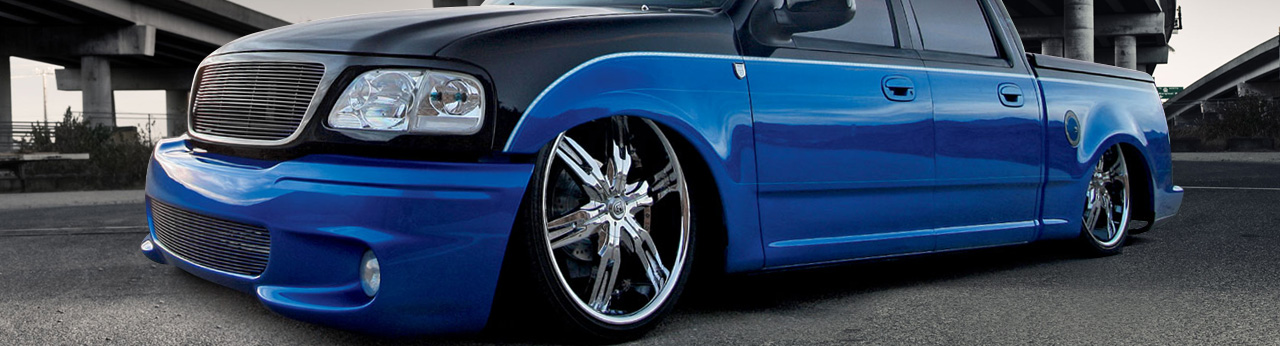 One of the most popular body mods is the rear spoiler. And if that’s the mod for you, you’re in the right place. We have a huge selection of spoilers which means you can find the perfect one for your car.
But if you want something more subtle, consider installing a stylish lip spoiler to highlight your trunk edge.
If you drive a sedan, a cab spoiler will give your roof line an understated performance note. If you drive a hatchback, the cab spoiler will appear more exaggerated.
Installing rocker panels and custom flares will mod your vehicle to fit wider tires, while making your it look lower than it actually is.
Still not sure what body kit is right for your car? Drop us a comment and we’ll help you figure it out.
One of the most popular body mods is the rear spoiler. And if that’s the mod for you, you’re in the right place. We have a huge selection of spoilers which means you can find the perfect one for your car.
But if you want something more subtle, consider installing a stylish lip spoiler to highlight your trunk edge.
If you drive a sedan, a cab spoiler will give your roof line an understated performance note. If you drive a hatchback, the cab spoiler will appear more exaggerated.
Installing rocker panels and custom flares will mod your vehicle to fit wider tires, while making your it look lower than it actually is.
Still not sure what body kit is right for your car? Drop us a comment and we’ll help you figure it out.
HOW DO BODY KITS WORK?
A body kit will add aerodynamic contours to your vehicle’s shape. These mods will allow your vehicle to literally slice the air without facing any unnecessary resistance.
And your ride will be pressed down into the street or track for additional traction.
Installing a high quality body kit will also reduce your vehicle’s weight. And a lighter vehicle is a faster vehicle.
Body kits are available with different component combinations. Generally, ground effects kits are packaged with a front spoiler, side skirts, and a rear air dam.
A full body kit will be packaged with bumpers, side skirts, fenders, hood and grille.
When air flows under your car, it lifts it up and away from the ground and reduces traction.
Front Spoilers reduce the amount of air which makes its way under your car by re-routing it around its top and sides. The air which actually manages to flow under your car creates a low-pressured area and sucks your car into the ground.
Spoilers will also make your car look like it’s almost touching the ground. Which is awesome.
Side Skirts work together with the front spoilers to generate additional traction while exaggerating your car’s ground-hugging style.
But not all body kit components are designed for faster speeds.
Race car side scoops will actually lead cold air to the brakes and oil coolers for an improved performance.
Rear window louvers will give your vehicle a cool fastback roofline, while keeping the cab temperature cooler and averting harmful UV rays.
BUT AREN’T BODY KITS JUST FOR SHOW?
Some body kits will give your vehicle a racing look for character, without necessarily making it more aerodynamic.
Yet other body kit will sculpt your vehicle for the sole purpose of making it more aerodynamic.
Just For Show Kits
A body kit makes a world of difference on racing applications.
But if you want to transform your road vehicle, installing a body kit won’t really deliver any performance gains.
This is because aerodynamics make an insignificant difference in performance when you’re driving at a street legal speed.
So a good body kit will convince everyone that your car is aggressively fast. And really, that’s its only function if you don’t race with your car.
Just-for-show body kits closely imitate the style of real racing body kits. Their panels will go down to the ground to give you the sought-after ground hugging effect.
But please keep in mind that lowered racing panels are used on the smoothest race tracks, and not on our pothole ridden city streets. And without correcting your suspension, your new body kit panels could easily be destroyed.
To avoid this problem, consider installing an airbag suspension. This will allow you to adjust your vehicle’s ride height and ground clearance depending on the road conditions.
Body Kits for Racing
A vehicle’s aerodynamics will either win you the race… or lose you the race.
But aerodynamics are more complicated than you think.
Body kits do much more than streamline your vehicle’s shape. Streamlining is the process through which a vehicle is reshaped to allow it to slice the air with minimal resistance.
And while it’s important, if a car is “too streamlined”, a lot of issues come up.
For one, it the car will become extremely unstable at higher speeds, causing it to lose traction. And how will the engine and brakes cool off, when all of the air just slips past the car’s body?
This is why modern aerodynamic body kits are made up of different components which interrupt the streamlining to redirect cool air where it’s needed.
Air dams force air into the brakes, the cooling systems and the engine comportment. This air creates the needed pressure for frontal downforce, while ventilating heat away from the vehicle.
Side skirts ensure that air flowing at the side of the car does not disrupt the air flowing under the car. And flanges on the hood and rood ensure that air flowing on top of the car does not disrupt the air flowing at the side of the car.
The rear spoiler is set at a specific angle to create the optimal downforce for the car’s rear, based on the track. The belly pans and rear diffuser create a low pressure area under the car to keep it fully grounded on the track.
All body kit components work in unison to stabilize the car and to minimize drag.
WHAT’S THE BEST BODY KIT FOR MY CAR?
One of the most popular body mods is the rear spoiler. And if that’s the mod for you, you’re in the right place. We have a huge selection of spoilers which means you can find the perfect one for your car.
But if you want something more subtle, consider installing a stylish lip spoiler to highlight your trunk edge.
If you drive a sedan, a cab spoiler will give your roof line an understated performance note. If you drive a hatchback, the cab spoiler will appear more exaggerated.
Installing rocker panels and custom flares will mod your vehicle to fit wider tires, while making your it look lower than it actually is.
Still not sure what body kit is right for your car? Drop us a comment and we’ll help you figure it out.
The BEST Camping Gear (for your car)

Summer is finally here! And we love it.
It’s the Canadian way to gather family and friends and head out of the city for the season’s first camping trip.
After all, nature is awesome!
But there are some definite drawbacks you have to deal with.
Like limited space and having to cram all of your cargo and gear in the trunk and on the back seat of your car.
Or, arriving at your camp site only to realize that you forgot to pack your sleeping gear…!
But you know what? Camping doesn’t have to be rugged.
If you’re equipped with the right gear, it could even be luxurious.
So before heading out to one of the national parks for a week-long adventure, check out our list of must-have car camping accessories.
If you’re camping with your kids, or just want to impress your friends around the fire pit, you can be certain that the right camping gear will keep your trip safe, your cargo organized, and your clothes dry.
WHAT’S FOR SHELTER? Canadian wilderness is vast, to say the least. There are literally thousands of places you could choose to visit on your next camping trip.
But to reach most of these destinations, you may need to travel down a dirt road or two.
Think about it:
Choosing to arrive at your next campsite on four wheels means you can also bring your mountain bike, kayak, hardcover pulp fiction and the essential cooler with cold, cold beers.
But depending on where you end up, and when you get there, your shelter options could be limited.
Camper Shells
Your tent is your home away from home.
But you won’t regret owning a camper shell.
Imagine arriving at your campsite after dark, or in the middle of a thunderstorm. When you’re out in nature, you can never be sure that the conditions will allow you to set up your tent or other shelter.
And this is when having a camper shell installed on your vehicle can be a lifesaver.
A tough camper shell and a comfy air mattress is everything you’ll need to face even the toughest camping challenge.
Sleeping under a camping shell means you’ll be elevated above ground, and protected from the elements. You’ll be safe, warm, and dry.
Canadian wilderness is vast, to say the least. There are literally thousands of places you could choose to visit on your next camping trip.
But to reach most of these destinations, you may need to travel down a dirt road or two.
Think about it:
Choosing to arrive at your next campsite on four wheels means you can also bring your mountain bike, kayak, hardcover pulp fiction and the essential cooler with cold, cold beers.
But depending on where you end up, and when you get there, your shelter options could be limited.
Camper Shells
Your tent is your home away from home.
But you won’t regret owning a camper shell.
Imagine arriving at your campsite after dark, or in the middle of a thunderstorm. When you’re out in nature, you can never be sure that the conditions will allow you to set up your tent or other shelter.
And this is when having a camper shell installed on your vehicle can be a lifesaver.
A tough camper shell and a comfy air mattress is everything you’ll need to face even the toughest camping challenge.
Sleeping under a camping shell means you’ll be elevated above ground, and protected from the elements. You’ll be safe, warm, and dry.
Truck Tents
If you prefer a more traditional camping experience, a truck tent is a great option.
The functionality of truck tents is more or less the same as that of camper shells. Except that you’ll actually be pitching a tent… inside your truck bed!
But what are their advantages over traditional tents?
For one, truck tents are easy to set up and take apart in just a few minutes.
And if you purchase one with an overhanging sunshade, you can enjoy additional shelter from direct sunlight or heavy rain… without having to be cooped up inside your tent!
Your valuable cargo will also be kept safe and dry and above the flood level of rivers or pooling rain water.
ARE WE PACKED YET? Space is always important. Especially when you’re going camping.
When you don’t have space, you need to make the hard choice of what to bring and what to leave behind.
And it’s very probable that when you’re cramming all of your stuff inside of your vehicle, you happen to forget something essential to your trip.
Hopefully, you don’t forget the food… or the toilet paper…
But please, don’t leave this to chance (or luck)!
Being organized is the best way to make sure everything you need for your trip will be packed and ready to go.
Rooftop Carriers & Cargo Boxes
A rooftop carrier means more space for your stuff.
Plus – your cargo and food will be kept up and away from bugs… and even bears!
But if you’re going camping with a larger group of people, space becomes even more of an issue.
In cases like this, consider buying a cargo box to mount on top of your trailer hitch.
That will give you convenient access to any items you need regularly, like finishing gear or a change of clothes.
Space is always important. Especially when you’re going camping.
When you don’t have space, you need to make the hard choice of what to bring and what to leave behind.
And it’s very probable that when you’re cramming all of your stuff inside of your vehicle, you happen to forget something essential to your trip.
Hopefully, you don’t forget the food… or the toilet paper…
But please, don’t leave this to chance (or luck)!
Being organized is the best way to make sure everything you need for your trip will be packed and ready to go.
Rooftop Carriers & Cargo Boxes
A rooftop carrier means more space for your stuff.
Plus – your cargo and food will be kept up and away from bugs… and even bears!
But if you’re going camping with a larger group of people, space becomes even more of an issue.
In cases like this, consider buying a cargo box to mount on top of your trailer hitch.
That will give you convenient access to any items you need regularly, like finishing gear or a change of clothes.
Bike Carriers
Answer me this:
What’s the point of owning a mountain bike, if you won’t bring it with you on your next camping trip?
Off-roading with your bike sounds great!
But you need to figure out how you’ll transport your bike, first.
Bike carriers are available in such a wide range of prices and designs, that it won’t be difficult to find the right one for you.
Just figure out how many bikes you need to transport, where you want to mount them, and what your budget is.
Canoe & Kayak Carriers
If you’re into watersports, you have to invest in a safe and secure transportation option.
Modern carriers offer easy loading and unloading for canoes, kayaks, and any other long loads. And their price definitely won’t break your bank.
So you have no reason to risk your safety, the safety of others, and your expensive water equipment by using a homemade carrier.
You don’t want your canoe to slide right off your vehicle’s roof as you’re driving down the highway, right?
TAKE ALL THE COMFORT YOU NEED Remember that you’re going camping to enjoy yourself.
Getting away from your busy lifestyle and the loud city noise doesn’t mean you have to give up the basic comforts that you’re used to.
Cargo Nets
Cargo nets are great cargo organizers and space maximizers.
For a small one time investment you’ll know your cargo is staying put in one place. So even when you make a sharp turn, or step hard on the brakes there’ll be no shifting or rolling in your trunk.
A cargo net will also help to compartmentalize your trunk space, which means you’ll find a place for all of your luggage, gear, and equipment.
Bed Liners
When you’re camping, you’re out in nature.
And nature is primarily made up of dirt, mud, sand, and ash that will probably get all over you and your stuff. If you have no access to running water, cleaning up becomes an issue.
Installing a bed liner becomes a good choice.
A bed liner will keep any sloshed liquids or debris locked into its grooves, and away from your cargo. And away from your vehicle’s fabric.
When you get home, a bed liner is easy to clean.
Remember that you’re going camping to enjoy yourself.
Getting away from your busy lifestyle and the loud city noise doesn’t mean you have to give up the basic comforts that you’re used to.
Cargo Nets
Cargo nets are great cargo organizers and space maximizers.
For a small one time investment you’ll know your cargo is staying put in one place. So even when you make a sharp turn, or step hard on the brakes there’ll be no shifting or rolling in your trunk.
A cargo net will also help to compartmentalize your trunk space, which means you’ll find a place for all of your luggage, gear, and equipment.
Bed Liners
When you’re camping, you’re out in nature.
And nature is primarily made up of dirt, mud, sand, and ash that will probably get all over you and your stuff. If you have no access to running water, cleaning up becomes an issue.
Installing a bed liner becomes a good choice.
A bed liner will keep any sloshed liquids or debris locked into its grooves, and away from your cargo. And away from your vehicle’s fabric.
When you get home, a bed liner is easy to clean.
Other Accessories
You should also stock up on tie downs which can be used to secure bulky cargo.
And if you’re planning to veer off the main road to reach your camp site, take the precaution of bringing an extra container of gas.
This will give you the peace of mind you need to fully enjoy your trip.
And logically, the best way to transport a gas cylinder safely is with a gas cylinder holder.
Never go into the wilderness without packing other safety essentials, including a first aid kit, tire repair kit, and a fire extinguisher.
And finally, kick back and have as much fun as you can!
Did we miss anything important? Share your experience with our community!
What is the most important item or equipment that you always bring when you’re camping?
WHAT’S FOR SHELTER?
Canadian wilderness is vast, to say the least. There are literally thousands of places you could choose to visit on your next camping trip.
But to reach most of these destinations, you may need to travel down a dirt road or two.
Think about it:
Choosing to arrive at your next campsite on four wheels means you can also bring your mountain bike, kayak, hardcover pulp fiction and the essential cooler with cold, cold beers.
But depending on where you end up, and when you get there, your shelter options could be limited.
Camper Shells
Your tent is your home away from home.
But you won’t regret owning a camper shell.
Imagine arriving at your campsite after dark, or in the middle of a thunderstorm. When you’re out in nature, you can never be sure that the conditions will allow you to set up your tent or other shelter.
And this is when having a camper shell installed on your vehicle can be a lifesaver.
A tough camper shell and a comfy air mattress is everything you’ll need to face even the toughest camping challenge.
Sleeping under a camping shell means you’ll be elevated above ground, and protected from the elements. You’ll be safe, warm, and dry.
 |
 |
 |
ARE WE PACKED YET?
Space is always important. Especially when you’re going camping.
When you don’t have space, you need to make the hard choice of what to bring and what to leave behind.
And it’s very probable that when you’re cramming all of your stuff inside of your vehicle, you happen to forget something essential to your trip.
Hopefully, you don’t forget the food… or the toilet paper…
But please, don’t leave this to chance (or luck)!
Being organized is the best way to make sure everything you need for your trip will be packed and ready to go.
Rooftop Carriers & Cargo Boxes
A rooftop carrier means more space for your stuff.
Plus – your cargo and food will be kept up and away from bugs… and even bears!
But if you’re going camping with a larger group of people, space becomes even more of an issue.
In cases like this, consider buying a cargo box to mount on top of your trailer hitch.
That will give you convenient access to any items you need regularly, like finishing gear or a change of clothes.
 |
 |
 |
 |
 |
 |
TAKE ALL THE COMFORT YOU NEED
Remember that you’re going camping to enjoy yourself.
Getting away from your busy lifestyle and the loud city noise doesn’t mean you have to give up the basic comforts that you’re used to.
Cargo Nets
Cargo nets are great cargo organizers and space maximizers.
For a small one time investment you’ll know your cargo is staying put in one place. So even when you make a sharp turn, or step hard on the brakes there’ll be no shifting or rolling in your trunk.
A cargo net will also help to compartmentalize your trunk space, which means you’ll find a place for all of your luggage, gear, and equipment.
Bed Liners
When you’re camping, you’re out in nature.
And nature is primarily made up of dirt, mud, sand, and ash that will probably get all over you and your stuff. If you have no access to running water, cleaning up becomes an issue.
Installing a bed liner becomes a good choice.
A bed liner will keep any sloshed liquids or debris locked into its grooves, and away from your cargo. And away from your vehicle’s fabric.
When you get home, a bed liner is easy to clean.
 |
 |
 |
How do Mufflers Work?
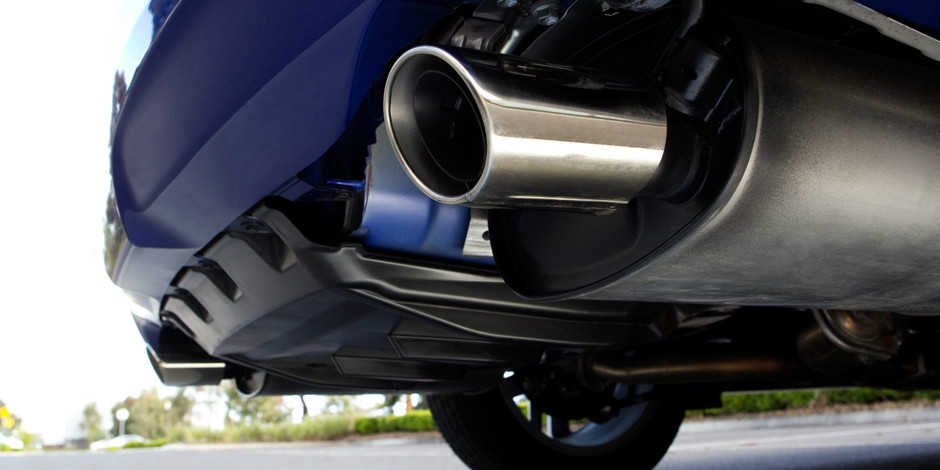
Everyone around you is giving you the same advice: install a performance muffler for more power.. and a deep and pleasing growl.
But you still have your doubts.
You want a few questions cleared up before making an investment like this.
What is a Performance Muffler and How Does it Work? It’s simple, really.
A muffler is a set of perforated tubes which reflect the sound waves coming from your engine to cancel out their noise.
How are sound waves created?
Sound waves are created when an exhaust valve opens up inside of your engine.
This opening creates pulses. The pulses send a rush of high-pressure gas directly into your exhaust system.
When high-pressure gas molecules come into contact with the low-pressure molecules inside the pipe, they begin to stack up one on top of the other. A wave of molecules continually stacking on top of each other travels down the exhaust pipe.
This wave creates a pocket of low pressure in the back of the exhaust which propels the sound wave forward and gives it even more speed.
The sound wave travels down the exhaust pipe ahead of the actual exhaust gas.
How do mufflers cancel out sound?
It’s simple, really.
A muffler is a set of perforated tubes which reflect the sound waves coming from your engine to cancel out their noise.
How are sound waves created?
Sound waves are created when an exhaust valve opens up inside of your engine.
This opening creates pulses. The pulses send a rush of high-pressure gas directly into your exhaust system.
When high-pressure gas molecules come into contact with the low-pressure molecules inside the pipe, they begin to stack up one on top of the other. A wave of molecules continually stacking on top of each other travels down the exhaust pipe.
This wave creates a pocket of low pressure in the back of the exhaust which propels the sound wave forward and gives it even more speed.
The sound wave travels down the exhaust pipe ahead of the actual exhaust gas.
How do mufflers cancel out sound?
 What’s curious is that it’s possible to add 2 or more sound waves together without cranking up the sound!
Quite the opposite.
Thanks to something called “destructive interference” you’ll actually create less sound.
And that’s exactly what a muffler does.
Muffler tubes and holes are tuned as finely as a musical instrument to reflect the sound waves into each other so they can interfere with their own frequency and cancel out any noise.
Some mufflers will also reduce the back pressure in your exhaust system.
The end result?
A deep growl and real gains in horsepower.
What’s curious is that it’s possible to add 2 or more sound waves together without cranking up the sound!
Quite the opposite.
Thanks to something called “destructive interference” you’ll actually create less sound.
And that’s exactly what a muffler does.
Muffler tubes and holes are tuned as finely as a musical instrument to reflect the sound waves into each other so they can interfere with their own frequency and cancel out any noise.
Some mufflers will also reduce the back pressure in your exhaust system.
The end result?
A deep growl and real gains in horsepower.
How do I Choose the Right Muffler? There are so many options available on the market that your head could spin.
But the safest and smartest choice you can make when purchasing a performance muffler is to go with a reputable brand name.
Corsa, Magnaflow, Flowmaster, and Borla are truly at the top of the list for manufacturing the world’s best mufflers.
The right muffler for your vehicle will also depend on its engine and exactly what you want to get out of it.
If you drive a vehicle equipped with a powerful engine and you’re looking for a mild exhaust sound, a good choice will be Flowmaster’s 50 Series Delta Flow Muffler.
But if you’re looking for a truly deep and aggressive sound – check out Flowmaster’s Super 44 Muffler.
If you still feel overwhelmed by the many choices, drop us a comment below and we’ll figure out the best choice for you, together.
There are so many options available on the market that your head could spin.
But the safest and smartest choice you can make when purchasing a performance muffler is to go with a reputable brand name.
Corsa, Magnaflow, Flowmaster, and Borla are truly at the top of the list for manufacturing the world’s best mufflers.
The right muffler for your vehicle will also depend on its engine and exactly what you want to get out of it.
If you drive a vehicle equipped with a powerful engine and you’re looking for a mild exhaust sound, a good choice will be Flowmaster’s 50 Series Delta Flow Muffler.
But if you’re looking for a truly deep and aggressive sound – check out Flowmaster’s Super 44 Muffler.
If you still feel overwhelmed by the many choices, drop us a comment below and we’ll figure out the best choice for you, together.
What is a Performance Muffler and How Does it Work?
It’s simple, really.
A muffler is a set of perforated tubes which reflect the sound waves coming from your engine to cancel out their noise.
How are sound waves created?
Sound waves are created when an exhaust valve opens up inside of your engine.
This opening creates pulses. The pulses send a rush of high-pressure gas directly into your exhaust system.
When high-pressure gas molecules come into contact with the low-pressure molecules inside the pipe, they begin to stack up one on top of the other. A wave of molecules continually stacking on top of each other travels down the exhaust pipe.
This wave creates a pocket of low pressure in the back of the exhaust which propels the sound wave forward and gives it even more speed.
The sound wave travels down the exhaust pipe ahead of the actual exhaust gas.
How do mufflers cancel out sound?
What’s curious is that it’s possible to add 2 or more sound waves together without cranking up the sound!
Quite the opposite.
Thanks to something called “destructive interference” you’ll actually create less sound.
And that’s exactly what a muffler does.
Muffler tubes and holes are tuned as finely as a musical instrument to reflect the sound waves into each other so they can interfere with their own frequency and cancel out any noise.
Some mufflers will also reduce the back pressure in your exhaust system.
The end result?
A deep growl and real gains in horsepower.
How do I Choose the Right Muffler?
There are so many options available on the market that your head could spin.
But the safest and smartest choice you can make when purchasing a performance muffler is to go with a reputable brand name.
Corsa, Magnaflow, Flowmaster, and Borla are truly at the top of the list for manufacturing the world’s best mufflers.
The right muffler for your vehicle will also depend on its engine and exactly what you want to get out of it.
If you drive a vehicle equipped with a powerful engine and you’re looking for a mild exhaust sound, a good choice will be Flowmaster’s 50 Series Delta Flow Muffler.
But if you’re looking for a truly deep and aggressive sound – check out Flowmaster’s Super 44 Muffler.
If you still feel overwhelmed by the many choices, drop us a comment below and we’ll figure out the best choice for you, together.
Carburetor Spacers – how do I choose the best one?
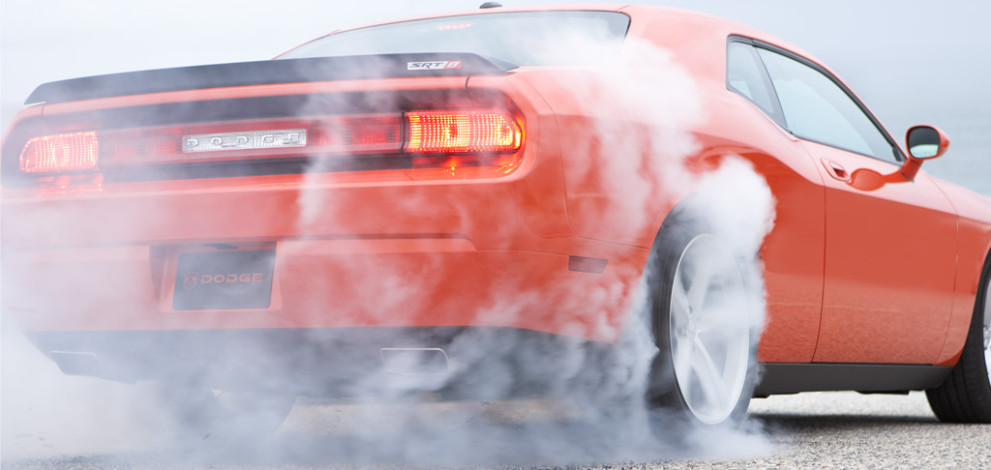
What will give you the cheapest horsepower?
Carb spacers.
They’re easy to install. They don’t need any maintenance. And they’re cheap.
So if you’re thinking about tuning your vehicle, start with a carburetor spacer.
HOW DO CARBURETOR SPACERS WORK? A carb spacer gives your manifold a longer neck. And this increases the volume of your intake’s plenum and runner, as well as the total distance between the bottom of the manifold and the bottom of the carburetor.
These increases create the space needed for the intake mixture to straighten out. And it becomes easier for your engine to take in more cool air, resulting in additional horsepower.
So how much additional horsepower will you get out of a carb spacer?
That depends on your current engine tunes.
Generally, installing a carb spacer will give you more top-end power at the expense of some bottom-end power.
But if you think about it, that’s not a bad trade-off. Especially if you have a high-rev engine.
You’ll end up with reduced low-end torque and an extended upper RPM range.
And what’s the best carb spacer for me?
There many options to choose from, with spacers varying in both their material make-up and construction type.
The best option for you will depend on exactly what you want to use the spacers for.
Yes, they will give you more horsepower.
But carb spacers have another important function. They also act as insulators which keep engine heat away from your carburetor to ensure cooler incoming air and fuel.
A carb spacer gives your manifold a longer neck. And this increases the volume of your intake’s plenum and runner, as well as the total distance between the bottom of the manifold and the bottom of the carburetor.
These increases create the space needed for the intake mixture to straighten out. And it becomes easier for your engine to take in more cool air, resulting in additional horsepower.
So how much additional horsepower will you get out of a carb spacer?
That depends on your current engine tunes.
Generally, installing a carb spacer will give you more top-end power at the expense of some bottom-end power.
But if you think about it, that’s not a bad trade-off. Especially if you have a high-rev engine.
You’ll end up with reduced low-end torque and an extended upper RPM range.
And what’s the best carb spacer for me?
There many options to choose from, with spacers varying in both their material make-up and construction type.
The best option for you will depend on exactly what you want to use the spacers for.
Yes, they will give you more horsepower.
But carb spacers have another important function. They also act as insulators which keep engine heat away from your carburetor to ensure cooler incoming air and fuel.
CARB SPACER MATERIALS Carb spacers are generally made from wood, aluminum, phenolic resin, or polymer.
The material has a direct impact on the spacers’ insulation ability, as they all transfer heat at a different rate.
Or more scientifically put, the materials have varying thermal conductivity ratings, where a lower rating means better insulation.
Wood Carburetor Spacers
Wood has a thermal conductivity rating of 1.02, making it the best insulator in the group. Wood carb spacers are also cheaper and easier to shape.
But there are disadvantages.
Its pores are what make it such a good insulator. But they also make it extremely absorbent. This means that gasoline and any other chemical can easily soak in and warp the spacer. The results are vacuum leaks and a faster depreciation.
And because of this, you’ll have to inspect and replace your wood carb spacer often.
Phenolic Resin
This material is the second best insulator of the four, with a thermal conductivity rating of 2.01. It’s also more durable compared to wood. It’s not as porous, making it more resistant to chemicals.
So if your spacer’s insulation properties are important to you, but at the same time you don’t want to deal with any additional maintenance – a phenolic resin carb spacer might be perfect for you.
Polymer
Polymer, also known as plastic, has a thermal conductivity rating of 3.90.
But while the rating is bad news for insulation, it’s good news for the price – polymer spacers are cheaper than phenolic resin spacers.
And truthfully, some polymers insulate almost as well as phenolic resin.
Aluminum
Aluminum is not good at insulating.
At all.
Its thermal conductivity rating is 1,665.1.
So what are its advantages?
Aluminum is super durable. Aluminum will tune your intake charge. Aluminum carb spacers are the only ones allowed by the majority of racing sanctioning bodies.
Carb spacers are generally made from wood, aluminum, phenolic resin, or polymer.
The material has a direct impact on the spacers’ insulation ability, as they all transfer heat at a different rate.
Or more scientifically put, the materials have varying thermal conductivity ratings, where a lower rating means better insulation.
Wood Carburetor Spacers
Wood has a thermal conductivity rating of 1.02, making it the best insulator in the group. Wood carb spacers are also cheaper and easier to shape.
But there are disadvantages.
Its pores are what make it such a good insulator. But they also make it extremely absorbent. This means that gasoline and any other chemical can easily soak in and warp the spacer. The results are vacuum leaks and a faster depreciation.
And because of this, you’ll have to inspect and replace your wood carb spacer often.
Phenolic Resin
This material is the second best insulator of the four, with a thermal conductivity rating of 2.01. It’s also more durable compared to wood. It’s not as porous, making it more resistant to chemicals.
So if your spacer’s insulation properties are important to you, but at the same time you don’t want to deal with any additional maintenance – a phenolic resin carb spacer might be perfect for you.
Polymer
Polymer, also known as plastic, has a thermal conductivity rating of 3.90.
But while the rating is bad news for insulation, it’s good news for the price – polymer spacers are cheaper than phenolic resin spacers.
And truthfully, some polymers insulate almost as well as phenolic resin.
Aluminum
Aluminum is not good at insulating.
At all.
Its thermal conductivity rating is 1,665.1.
So what are its advantages?
Aluminum is super durable. Aluminum will tune your intake charge. Aluminum carb spacers are the only ones allowed by the majority of racing sanctioning bodies.
CARB SPACER TYPE Carb spacers are divided into 2 main types: open plenum and four-hole plenum. Open Plenum Spacers An open plenum carb spacer is ideal for maximizing horsepower. Their design will increase the intake manifold’s total area to build more mid-range, high-RPM power. If you decide this is the type for you, purchase it in either wood or aluminum. Both materials are easy to shape, which you’ll probably want to do. Especially if you’re looking for a specific tuning effect over your engine’s RPM range. Wood or aluminum carb spacers are also easily stacked to multiply their effect. When you stack spacers, you are actually improving their insulation properties, and at the same time you’re getting more horsepower. 4-Hole Plenum Spacers This type of spacer will increase the velocity of your vehicle’s air-to-fuel charge. This means you’ll build low to mid-range torque. The 4-hole plenum spacer is most effective when it’s made from phenolic resin or a polymer. And the good news is that phenolic resin spacers can be stacked, the same way as wood or aluminum spacers. So if insulation and durability are both important to you, this may be the spacer for you.
If you’re still not sure which carb spacer is best for you, drop us a comment and we’ll figure it out together!
HOW DO CARBURETOR SPACERS WORK?
A carb spacer gives your manifold a longer neck. And this increases the volume of your intake’s plenum and runner, as well as the total distance between the bottom of the manifold and the bottom of the carburetor.
These increases create the space needed for the intake mixture to straighten out. And it becomes easier for your engine to take in more cool air, resulting in additional horsepower.
So how much additional horsepower will you get out of a carb spacer?
That depends on your current engine tunes.
Generally, installing a carb spacer will give you more top-end power at the expense of some bottom-end power.
But if you think about it, that’s not a bad trade-off. Especially if you have a high-rev engine.
You’ll end up with reduced low-end torque and an extended upper RPM range.
And what’s the best carb spacer for me?
There many options to choose from, with spacers varying in both their material make-up and construction type.
The best option for you will depend on exactly what you want to use the spacers for.
Yes, they will give you more horsepower.
But carb spacers have another important function. They also act as insulators which keep engine heat away from your carburetor to ensure cooler incoming air and fuel.
CARB SPACER MATERIALS
Carb spacers are generally made from wood, aluminum, phenolic resin, or polymer.
The material has a direct impact on the spacers’ insulation ability, as they all transfer heat at a different rate.
Or more scientifically put, the materials have varying thermal conductivity ratings, where a lower rating means better insulation.
Wood Carburetor Spacers
Wood has a thermal conductivity rating of 1.02, making it the best insulator in the group. Wood carb spacers are also cheaper and easier to shape.
But there are disadvantages.
Its pores are what make it such a good insulator. But they also make it extremely absorbent. This means that gasoline and any other chemical can easily soak in and warp the spacer. The results are vacuum leaks and a faster depreciation.
And because of this, you’ll have to inspect and replace your wood carb spacer often.
Phenolic Resin
This material is the second best insulator of the four, with a thermal conductivity rating of 2.01. It’s also more durable compared to wood. It’s not as porous, making it more resistant to chemicals.
So if your spacer’s insulation properties are important to you, but at the same time you don’t want to deal with any additional maintenance – a phenolic resin carb spacer might be perfect for you.
Polymer
Polymer, also known as plastic, has a thermal conductivity rating of 3.90.
But while the rating is bad news for insulation, it’s good news for the price – polymer spacers are cheaper than phenolic resin spacers.
And truthfully, some polymers insulate almost as well as phenolic resin.
Aluminum
Aluminum is not good at insulating.
At all.
Its thermal conductivity rating is 1,665.1.
So what are its advantages?
Aluminum is super durable. Aluminum will tune your intake charge. Aluminum carb spacers are the only ones allowed by the majority of racing sanctioning bodies.
 |
 |
 |
 |
CARB SPACER TYPE Carb spacers are divided into 2 main types: open plenum and four-hole plenum. Open Plenum Spacers An open plenum carb spacer is ideal for maximizing horsepower. Their design will increase the intake manifold’s total area to build more mid-range, high-RPM power. If you decide this is the type for you, purchase it in either wood or aluminum. Both materials are easy to shape, which you’ll probably want to do. Especially if you’re looking for a specific tuning effect over your engine’s RPM range. Wood or aluminum carb spacers are also easily stacked to multiply their effect. When you stack spacers, you are actually improving their insulation properties, and at the same time you’re getting more horsepower. 4-Hole Plenum Spacers This type of spacer will increase the velocity of your vehicle’s air-to-fuel charge. This means you’ll build low to mid-range torque. The 4-hole plenum spacer is most effective when it’s made from phenolic resin or a polymer. And the good news is that phenolic resin spacers can be stacked, the same way as wood or aluminum spacers. So if insulation and durability are both important to you, this may be the spacer for you.
 |
 |
 |
 |
Bigfoot Monster Truck
Amazing footage of the Bigfoot 5 Monster Truck in the late 80’s and early 90’s…
..but how do you get in..?!
Filling Up With Nitrogen: Yay or Nay?
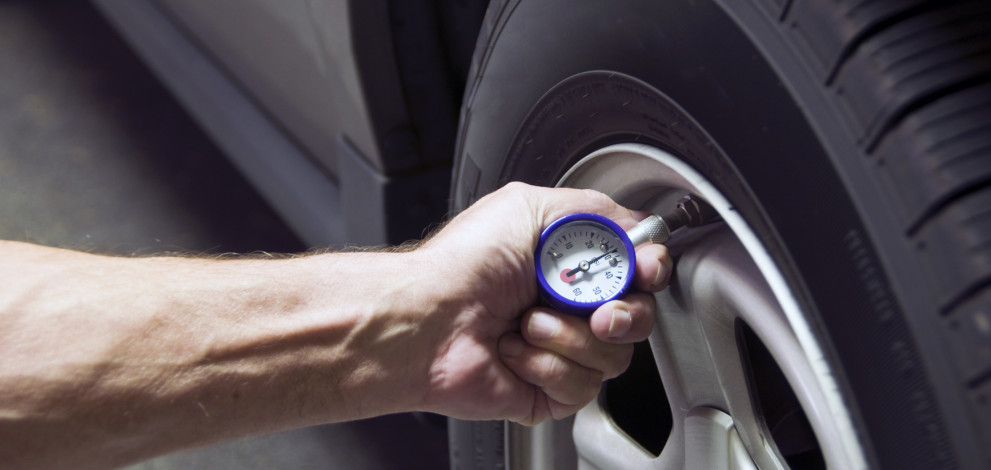
Many dealerships and mechanics advise that inflating your tires with nitrogen will improve your handling, fuel economy and wheel life.
And we want to believe them.
After all, nitrogen is what’s inside of racecar tires and airplane tires.
But will nitrogen really make a difference to the everyday driver?
THE DIFFERENCE BETWEEN AIR & NITROGEN
MORE CONSISTENT TIRE PRESSURE
IMPROVEMENTS IN FUEL ECONOMY
COOLER RUNNING TEMPERATURES
LONGER WHEEL LIFE
SO WHAT’S OUR VERDICT?
THE DIFFERENCE BETWEEN AIR & NITROGEN

MORE CONSISTENT TIRE PRESSURE

IMPROVEMENTS IN FUEL ECONOMY

COOLER RUNNING TEMPERATURES

LONGER WHEEL LIFE

SO WHAT’S OUR VERDICT?

Exhaust Back Pressure: how to choose the correct exhaust pipe diameter
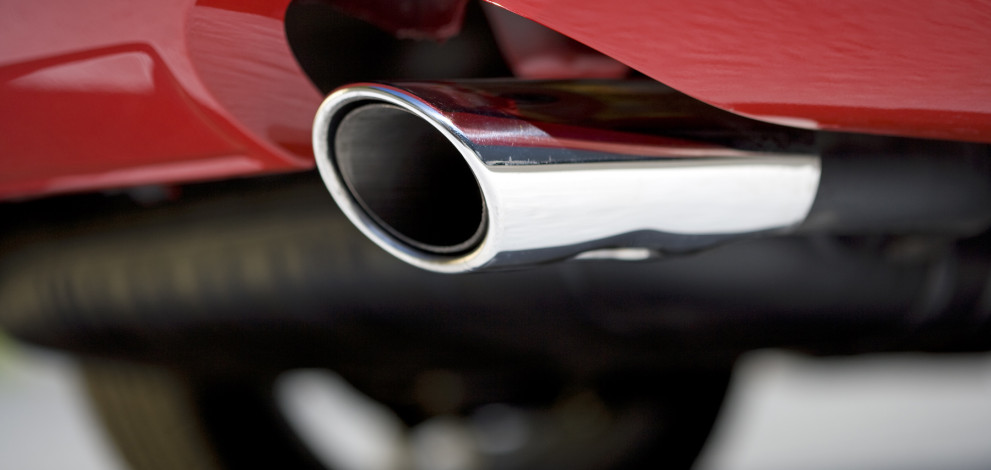
On most vehicles, the exhaust system’s sole job is to lead gases out of the engine.
But if you drive a performance vehicle, your exhaust system will play a bigger role in determining your engine’s performance and power.
To set up optimal exhaust system, you need take into account your engine’s power band, its maximum usable RPM, as well as back pressure.
And we get a lot of questions on how to reduce back pressure in the exhaust system…
But back pressure shouldn’t be eliminated altogether – you actually really need it!
BACK PRESSURE- GOOD OR BAD?
Back pressure exists all around us.
The term refers to the atmosphere which pushes down on your exhaust system. And back pressure generally has a very negative effect on your engine’s power output.
When your engine works at the top of its power band, it creates a lot of spent exhaust gases.
And if the exhaust pipe diameter is too small and it generates too much back pressure, these exhaust gases will be heavily restricted from exiting the engine.
The amount of generated exhaust gases will be greater than the amount of exhaust gases that are able to leave the engine.
And this “surplus” of exhaust gas will contaminate the cool and fresh air-to-fuel mixture on the next intake stroke.
Engine power and performance will be reduced.
If it reduces power – why do I need it?
If back pressure reduces your engine’s power and performance.. why do you need it?!
Flow Velocity
If you equip your ride with a super large exhaust pipe to eliminate back pressure, you will also reduce the flow velocity of exhaust gases.
And you need higher flow velocity.
Why?
A high flow velocity aids the complete expulsion of burnt gases. And it increases the amount of the air-to-fuel mixture being drawn into the combustion chamber.
How?
When exhaust gases exit the engine with a higher flow velocity, they create low pressure behind them. And this low pressure continues to suck out exhaust gases at an extremely high rate, creating a valuable cycle.
Waste of Air/Fuel Mixture
Your engine’s exhaust port opens up to expel exhaust gases from the combustion chamber. And it remains open for a short time once they’re out.
During that time, unburned air/fuel mixture can escape directly into your exhaust.
And this wastes fuel, and needlessly creates pollution.
And the only way to prevent this waste is if the back pressure at the opened exhaust port is greater than the pressure in the cylinder.
So it becomes clear that too much back pressure is bad. And too little back pressure is bad.
You need just the right amount.
WHAT EXHAUST PIPE DIAMETER IS BEST?
Don’t be fooled into thinking that a bigger pipe is always better for power and performance.
To strike a balance between low back pressure and high gas flow velocity, you need the correct pipe size.
The industry has developed a table to be used as a general guide. It tells you the proper pipe diameter based on your vehicle’s engine size and horsepower.
 But what if your engine is putting out more than the numbers shown in the table?
Just give us a call or drop us a comment below and we’ll help you figure out what type of exhaust system is best for your vehicle!
But what if your engine is putting out more than the numbers shown in the table?
Just give us a call or drop us a comment below and we’ll help you figure out what type of exhaust system is best for your vehicle!
But what if your engine is putting out more than the numbers shown in the table?
Just give us a call or drop us a comment below and we’ll help you figure out what type of exhaust system is best for your vehicle!
Exhaust Smoke Color: How To Diagnose Your Engine

The quality of your vehicle’s exhaust fumes can tell you a lot about the condition of your engine.
Sometimes, all you need is a quick check of the fume colour to figure out exactly your engine is dealing with.
So turn your key in the ignition, step back and observe.
BLUE EXHAUST FUMES What does it mean?
If your exhaust fumes are blue, your engine is burning oil.
Motor oil lubricates your engine’s moving components. But when your valve guide seals, piston rings or cylinders wear out, oil can make its way into the combustion chamber where it will burn up with the fuel.
If your engine is a diesel, the reason behind the blue fumes could be that your oil levels are too high.
If your engine is turbocharged, the blue fumes could mean that your blower needs to be replaced.
What are the consequences?
When your engine burns oil, you’re faced with excessive oil consumption. Chances are, you’re also experiencing rough starts.
And if this issue isn’t fixed, you will seriously damage your vehicle’s spark plugs.
Burning oil is also terrible for the environment.
What do I do?
If the oil leak is minimal and your vehicle is old, just make sure to top up your oil regularly.
If that’s not the case, you need to visit your service technician, urgently. The work and replacement parts will be expensive, so brace yourself.
What does it mean?
If your exhaust fumes are blue, your engine is burning oil.
Motor oil lubricates your engine’s moving components. But when your valve guide seals, piston rings or cylinders wear out, oil can make its way into the combustion chamber where it will burn up with the fuel.
If your engine is a diesel, the reason behind the blue fumes could be that your oil levels are too high.
If your engine is turbocharged, the blue fumes could mean that your blower needs to be replaced.
What are the consequences?
When your engine burns oil, you’re faced with excessive oil consumption. Chances are, you’re also experiencing rough starts.
And if this issue isn’t fixed, you will seriously damage your vehicle’s spark plugs.
Burning oil is also terrible for the environment.
What do I do?
If the oil leak is minimal and your vehicle is old, just make sure to top up your oil regularly.
If that’s not the case, you need to visit your service technician, urgently. The work and replacement parts will be expensive, so brace yourself.
GRAY EXHAUST FUMES What does it mean?
If your vehicle is burning gray exhaust fumes, the reason could be that your engine is burning oil. If this is the case, the consequences and precautions will be the same as the ones outlined for blue fumes.
Another reason could be that a faulty transmission vacuum modulator is leaking automatic transmission fluid to your engine. And there the fluid burns up with the fuel, much the same way as oil.
Or you could have a problem with the Positive Crankcase Ventilation system, like a faulty valve.
What are the consequences?
The PCV system is responsible for recycling harmful exhaust emissions into the combustion chamber. A faulty system valve will lead to a buildup of pressure, which in turn will lead to an oil leak.
And again, while this is bad for your car, it’s also bad for the environment.
What do I do?
The good news is that PCV valves are easy on the pocket. They are also easy to replace – it’s a fix you can do on your own.
But if you’ve replaced your PCV valve and your exhaust fumes are still gray – you probably have an oil leak. In this case follow the steps for dealing with blue exhaust fumes.
What does it mean?
If your vehicle is burning gray exhaust fumes, the reason could be that your engine is burning oil. If this is the case, the consequences and precautions will be the same as the ones outlined for blue fumes.
Another reason could be that a faulty transmission vacuum modulator is leaking automatic transmission fluid to your engine. And there the fluid burns up with the fuel, much the same way as oil.
Or you could have a problem with the Positive Crankcase Ventilation system, like a faulty valve.
What are the consequences?
The PCV system is responsible for recycling harmful exhaust emissions into the combustion chamber. A faulty system valve will lead to a buildup of pressure, which in turn will lead to an oil leak.
And again, while this is bad for your car, it’s also bad for the environment.
What do I do?
The good news is that PCV valves are easy on the pocket. They are also easy to replace – it’s a fix you can do on your own.
But if you’ve replaced your PCV valve and your exhaust fumes are still gray – you probably have an oil leak. In this case follow the steps for dealing with blue exhaust fumes.
BLACK EXHAUST FUMES What does it mean?
Black exhaust fumes are usually the easiest to diagnose and fix. They signal that your engine may be burning too much fuel. Maybe you have a clogged fuel return line, or even a clogged air filter.
If your engine is a diesel, you could be using the wrong grade of fuel. Black exhaust fumes are also a sign that your diesel engine is overheating.
What are the consequences?
Black exhaust fumes are caused by an incomplete combustion of fuel. And this causes your engine to burn more fuel than necessary.
And, while the list of consequences isn’t very threatening… you shouldn’t avoid this issue with the hope of saving money. Your fuel economy is down in the dumps, and that’s costing you – daily.
What do I do?
Start by checking your intake components, including your air filter, the sensors, the fuel injectors and the fuel pressure regulators. Make sure nothing is clogged or malfunctioning.
You may also have to tinker with your ignition timing to resolve the problem.
What does it mean?
Black exhaust fumes are usually the easiest to diagnose and fix. They signal that your engine may be burning too much fuel. Maybe you have a clogged fuel return line, or even a clogged air filter.
If your engine is a diesel, you could be using the wrong grade of fuel. Black exhaust fumes are also a sign that your diesel engine is overheating.
What are the consequences?
Black exhaust fumes are caused by an incomplete combustion of fuel. And this causes your engine to burn more fuel than necessary.
And, while the list of consequences isn’t very threatening… you shouldn’t avoid this issue with the hope of saving money. Your fuel economy is down in the dumps, and that’s costing you – daily.
What do I do?
Start by checking your intake components, including your air filter, the sensors, the fuel injectors and the fuel pressure regulators. Make sure nothing is clogged or malfunctioning.
You may also have to tinker with your ignition timing to resolve the problem.
WHITE EXHAUST FUMES What does it mean?
If the white fumes coming out of your exhaust are very thin and light – there is no cause for concern. This vapor is a normal side effect of condensation in your exhaust system.
But if the white fumes are heavy and thick, it’s probably because your engine is burning coolant.
If your engine is a diesel, the fumes could be caused by incorrect ignition timing, or a faulty injection system.
What are the consequences?
If your engine is burning coolant, it’s not being cooled properly. And if it’s not being cooled, it’s overheating.
Leaked coolant can also get mixed in with your motor oil, and let’s just say – that’s not good.
Overheated engines are very bad news – they are prone to serious, serious damage.
What do I do?
The cause could be a blown head gasket, a damaged cylinder head, or even a cracked engine block. The repairs will be costly, but should not be ignored.
If you don’t address the problem, it will get worse, continually. So don’t delay taking your car to a mechanic.
What does it mean?
If the white fumes coming out of your exhaust are very thin and light – there is no cause for concern. This vapor is a normal side effect of condensation in your exhaust system.
But if the white fumes are heavy and thick, it’s probably because your engine is burning coolant.
If your engine is a diesel, the fumes could be caused by incorrect ignition timing, or a faulty injection system.
What are the consequences?
If your engine is burning coolant, it’s not being cooled properly. And if it’s not being cooled, it’s overheating.
Leaked coolant can also get mixed in with your motor oil, and let’s just say – that’s not good.
Overheated engines are very bad news – they are prone to serious, serious damage.
What do I do?
The cause could be a blown head gasket, a damaged cylinder head, or even a cracked engine block. The repairs will be costly, but should not be ignored.
If you don’t address the problem, it will get worse, continually. So don’t delay taking your car to a mechanic.
Coloured exhaust fumes are a sure sign that your engine is struggling. But if you diagnose and repair the problem on time, your car and the environment, will thank you for it.
BLUE EXHAUST FUMES
What does it mean?
If your exhaust fumes are blue, your engine is burning oil.
Motor oil lubricates your engine’s moving components. But when your valve guide seals, piston rings or cylinders wear out, oil can make its way into the combustion chamber where it will burn up with the fuel.
If your engine is a diesel, the reason behind the blue fumes could be that your oil levels are too high.
If your engine is turbocharged, the blue fumes could mean that your blower needs to be replaced.
What are the consequences?
When your engine burns oil, you’re faced with excessive oil consumption. Chances are, you’re also experiencing rough starts.
And if this issue isn’t fixed, you will seriously damage your vehicle’s spark plugs.
Burning oil is also terrible for the environment.
What do I do?
If the oil leak is minimal and your vehicle is old, just make sure to top up your oil regularly.
If that’s not the case, you need to visit your service technician, urgently. The work and replacement parts will be expensive, so brace yourself.
GRAY EXHAUST FUMES
What does it mean?
If your vehicle is burning gray exhaust fumes, the reason could be that your engine is burning oil. If this is the case, the consequences and precautions will be the same as the ones outlined for blue fumes.
Another reason could be that a faulty transmission vacuum modulator is leaking automatic transmission fluid to your engine. And there the fluid burns up with the fuel, much the same way as oil.
Or you could have a problem with the Positive Crankcase Ventilation system, like a faulty valve.
What are the consequences?
The PCV system is responsible for recycling harmful exhaust emissions into the combustion chamber. A faulty system valve will lead to a buildup of pressure, which in turn will lead to an oil leak.
And again, while this is bad for your car, it’s also bad for the environment.
What do I do?
The good news is that PCV valves are easy on the pocket. They are also easy to replace – it’s a fix you can do on your own.
But if you’ve replaced your PCV valve and your exhaust fumes are still gray – you probably have an oil leak. In this case follow the steps for dealing with blue exhaust fumes.
BLACK EXHAUST FUMES
What does it mean?
Black exhaust fumes are usually the easiest to diagnose and fix. They signal that your engine may be burning too much fuel. Maybe you have a clogged fuel return line, or even a clogged air filter.
If your engine is a diesel, you could be using the wrong grade of fuel. Black exhaust fumes are also a sign that your diesel engine is overheating.
What are the consequences?
Black exhaust fumes are caused by an incomplete combustion of fuel. And this causes your engine to burn more fuel than necessary.
And, while the list of consequences isn’t very threatening… you shouldn’t avoid this issue with the hope of saving money. Your fuel economy is down in the dumps, and that’s costing you – daily.
What do I do?
Start by checking your intake components, including your air filter, the sensors, the fuel injectors and the fuel pressure regulators. Make sure nothing is clogged or malfunctioning.
You may also have to tinker with your ignition timing to resolve the problem.
WHITE EXHAUST FUMES
What does it mean?
If the white fumes coming out of your exhaust are very thin and light – there is no cause for concern. This vapor is a normal side effect of condensation in your exhaust system.
But if the white fumes are heavy and thick, it’s probably because your engine is burning coolant.
If your engine is a diesel, the fumes could be caused by incorrect ignition timing, or a faulty injection system.
What are the consequences?
If your engine is burning coolant, it’s not being cooled properly. And if it’s not being cooled, it’s overheating.
Leaked coolant can also get mixed in with your motor oil, and let’s just say – that’s not good.
Overheated engines are very bad news – they are prone to serious, serious damage.
What do I do?
The cause could be a blown head gasket, a damaged cylinder head, or even a cracked engine block. The repairs will be costly, but should not be ignored.
If you don’t address the problem, it will get worse, continually. So don’t delay taking your car to a mechanic.
Coloured exhaust fumes are a sure sign that your engine is struggling. But if you diagnose and repair the problem on time, your car and the environment, will thank you for it.
Pulling a Truck Out of the Mud
Do you know how to properly pull out your truck from mud?
Well, this is how you shouldn’t do it!